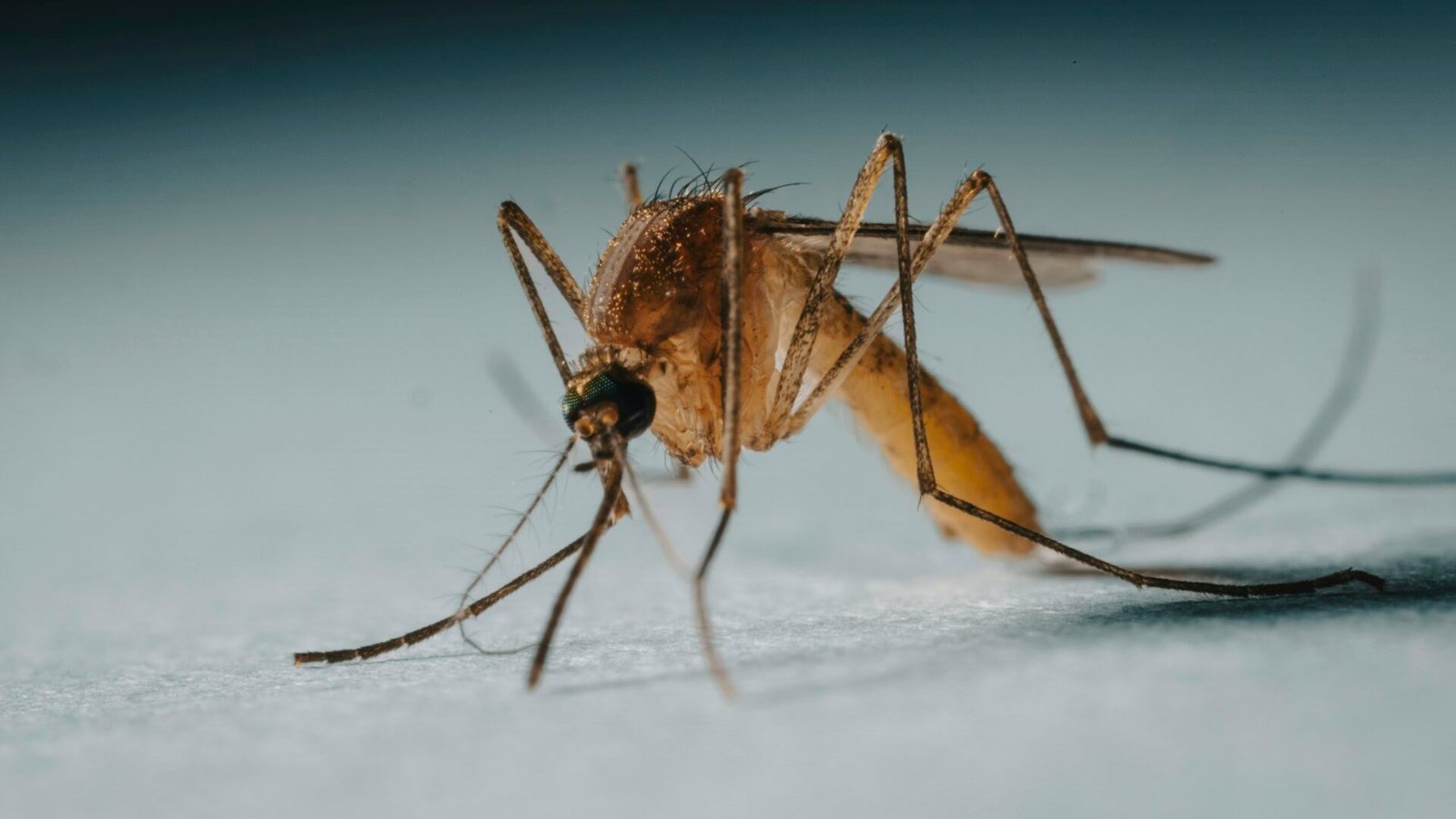
Dengue fever is a viral infection spread by the bite of infected Aedes mosquitoes. It typically causes a sudden high fever, severe headache, pain behind the eyes, and muscle and joint pain. Most people recover within one to two weeks with rest and fluids, but a small number develop severe dengue, which can cause bleeding, organ damage and shock. In Pakistan, cases rise sharply after the monsoon, usually from September to November.
In this article
How is dengue spread?
Dengue is carried mainly by the Aedes aegypti mosquito. Unlike the mosquitoes that bite at night, it bites mostly during the day, especially in the early morning and late afternoon. It breeds in small amounts of clean, standing water: water coolers, buckets, flower pots, old tyres, water tanks and even bottle caps. Dengue does not spread directly from person to person.
Cases have been rising in Pakistan. According to the National Institute of Health, laboratory-confirmed cases increased from 21,016 in 2023 to 24,182 in 2024 and 33,394 in 2025.

Dengue symptoms
Symptoms usually start four to ten days after the bite and can include:
- sudden high fever;
- severe headache and pain behind the eyes;
- muscle, joint and bone pain (dengue is sometimes called “breakbone fever”);
- nausea and vomiting;
- a skin rash;
- swollen glands and tiredness.
Many people, especially children, have mild symptoms that can be mistaken for flu.
Warning signs of severe dengue
The most dangerous period often comes as the fever goes down, usually three to seven days after symptoms start. Go to a hospital immediately if any of these appear:
- severe stomach pain or tenderness;
- vomiting that keeps happening;
- bleeding from the gums or nose;
- blood in vomit or stools;
- feeling very tired, restless or irritable;
- fast breathing, or cold, clammy skin.
Which medicines to avoid
The World Health Organization advises that fever and pain can be managed with paracetamol, while aspirin, ibuprofen and similar anti-inflammatory medicines should be avoided because they can increase the risk of bleeding. Do not take any medicine without checking with a doctor or pharmacist, and follow the dose on the label.
How is dengue diagnosed and treated?
A doctor can confirm dengue with a blood test, such as an NS1 antigen test in the first few days or an antibody test later. Doctors also monitor the blood count, including platelets and haematocrit, to spot complications early.
There is no specific antiviral medicine for dengue. Treatment focuses on:
- rest;
- plenty of fluids, such as water, oral rehydration solution and soups;
- controlling fever as advised by a doctor;
- regular check-ups to watch for warning signs.
People with warning signs or severe dengue need hospital care, where fluids can be given through a drip and patients closely monitored. With timely care, most people recover fully.
You may hear that papaya leaf juice raises platelet counts. The evidence is limited, and it should never replace medical care.

How to prevent dengue at home
- Empty and scrub water containers weekly: coolers, buckets, flower pots, pet bowls and bird baths.
- Cover water tanks and storage containers tightly.
- Remove rubbish that collects rainwater, such as old tyres, tins and plastic bags.
- Use window and door screens, and sleep under a mosquito net, especially children and anyone who is ill.
- Wear long sleeves and trousers, particularly in the morning and late afternoon.
- Use a mosquito repellent on exposed skin, following the label instructions.
- Protect others: a person with dengue should avoid mosquito bites during the first week, so mosquitoes do not carry the virus to others.
Frequently asked questions
What are the first signs of dengue?
A sudden high fever with severe headache, pain behind the eyes, and muscle or joint pain.
When is dengue most dangerous?
Often in the days when the fever starts to go down, when warning signs can appear.
Can I take ibuprofen for dengue?
No. WHO advises avoiding aspirin and ibuprofen because they can increase bleeding risk. Ask a doctor which medicine to use.
When do dengue mosquitoes bite?
Mostly during the day, especially early morning and late afternoon.
Can you get dengue twice?
Yes. There are four types of dengue virus, and a second infection with a different type can carry a higher risk of severe dengue.
How long does dengue fever last?
The fever usually lasts two to seven days. Tiredness can continue for a few weeks afterwards.
What is a normal platelet count?
Roughly 150,000 to 450,000 per microlitre of blood. Platelets often fall in dengue, so doctors track them, but a transfusion is needed only in specific cases.
Is dengue contagious?
No, it does not spread from person to person directly. It spreads through the bite of an infected Aedes mosquito.
When is dengue season in Pakistan?
Cases usually rise after the monsoon, from about August to November, and often peak in September and October.
What should you eat and drink with dengue?
Drink plenty of fluids such as water, ORS, soups and fresh juices, and eat light food. Home remedies like papaya leaf are not a replacement for medical care.