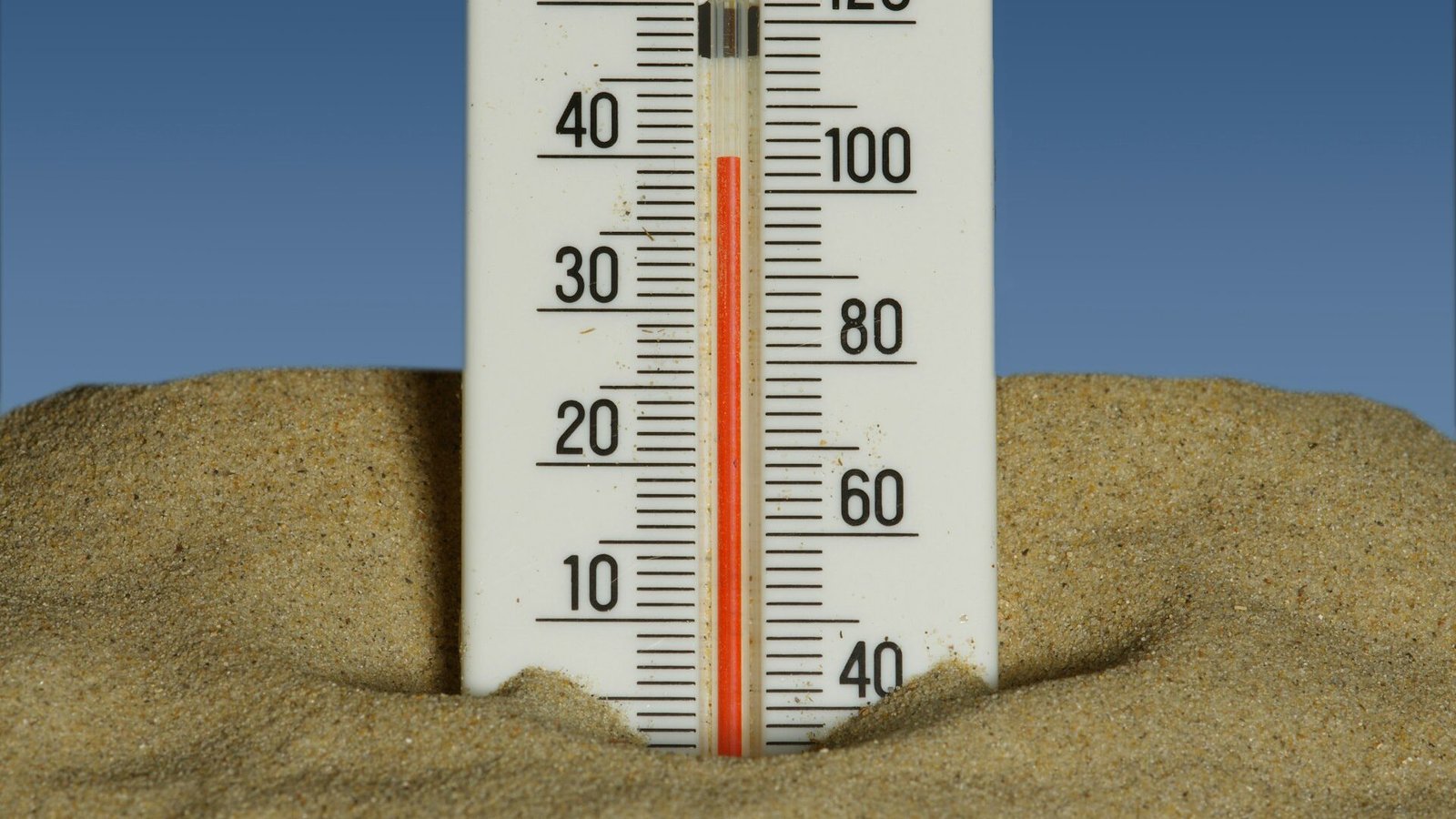
Heatstroke is a life-threatening condition in which the body overheats and can no longer cool itself down. Body temperature can rise above 40°C, and the person may become confused, collapse or have a seizure. It needs emergency treatment: call for help immediately, move the person to a cool place and start cooling them while you wait. In Pakistan, where summer temperatures in cities such as Jacobabad, Karachi and Multan can pass 45°C, knowing the signs can save a life.
In this article
Heat exhaustion vs heatstroke
Heat exhaustion usually comes first. If it is not treated, it can turn into heatstroke.
| Heat exhaustion | Heatstroke | |
|---|---|---|
| Body temperature | Raised | Very high, often above 40°C |
| Skin | Pale, cool and sweaty | Hot and red; may be dry or sweaty |
| Mind | Tired, dizzy, but alert | Confused, slurred speech, may faint |
| Other signs | Headache, nausea, cramps, heavy sweating, thirst | Seizures, rapid breathing and pulse, unconsciousness |
| What to do | Rest in a cool place, drink fluids; should improve within 30 minutes | Medical emergency: call for help immediately |
First aid for heatstroke: step by step
- Call for emergency help. In Pakistan, call your local rescue service; in many areas, Rescue 1122 responds to medical emergencies.
- Move the person out of the sun to a cool, shaded or air-conditioned place.
- Loosen or remove extra clothing, respecting the person’s privacy and dignity.
- Cool them quickly: spray or sponge them with cool water and fan them. Cold packs or wet cloths on the neck, armpits and groin help.
- Give sips of cool water only if they are fully awake and able to swallow. Never give fluids to someone who is unconscious or confused.
- If they become unconscious but are breathing, lay them on their side in the recovery position and keep checking their breathing until help arrives.
Do not wait
If someone is confused, has a seizure or collapses in the heat, treat it as heatstroke and get help at once. Do not give medicines such as paracetamol or aspirin to bring the temperature down; they do not work for heatstroke and can be harmful.
Who is most at risk?
- older people, especially those living alone;
- babies and young children;
- people with heart disease, diabetes, kidney problems or high blood pressure;
- outdoor workers such as labourers, farmers, traffic police and delivery riders;
- people without access to cooling or clean drinking water.
In June 2015, a severe heatwave in Karachi, combined with power cuts, caused more than a thousand deaths. Since then, Pakistan has introduced heatwave warnings, heat-response plans and cooling centres in some cities.
How to prevent heatstroke
- Stay out of the midday sun, roughly from 11am to 4pm, when it is hottest.
- Drink water regularly, even before you feel thirsty. Traditional drinks such as lassi, lemon water and sattu can help with fluids.
- Wear loose, light-coloured cotton clothing and cover your head with a cap, hat or scarf.
- Keep your home cool: close curtains during the day, open windows at night when it is cooler, and use fans with a damp cloth if there is no air conditioning.
- Never leave children or older people in a parked car, even for a few minutes.
- Check on neighbours and older relatives during heatwaves.
- Follow weather warnings from the Pakistan Meteorological Department and your local authorities.
- When fasting in summer, people with health conditions should consult their doctor, drink enough water between iftar and sehri, and avoid heavy work in the afternoon heat.
Frequently asked questions
What are the first signs of heatstroke?
A very high body temperature with confusion, slurred speech, headache, dizziness or fainting.
What is the difference between heat exhaustion and heatstroke?
Heat exhaustion causes heavy sweating, weakness and dizziness but the person stays alert; heatstroke affects the brain and is an emergency.
What should you do if someone has heatstroke?
Call for emergency help, move them somewhere cool and cool them with water and fanning while you wait.
How can you prevent heatstroke?
Avoid the midday sun, drink water regularly, wear light clothing and keep your home as cool as possible.
Can heatstroke kill?
Yes. Without quick treatment it can cause organ damage and death, which is why it is treated as an emergency.
At what body temperature does heatstroke happen?
Heatstroke usually means a body temperature of 40°C (104°F) or higher, together with confusion, fainting or other signs that the brain is affected.
Who is most at risk of heatstroke?
Older people, babies and young children, outdoor workers, people with long-term illnesses, and anyone in a hot home without fans or cooling.
What should I drink in a heatwave?
Water through the day, ORS if you sweat a lot, and drinks like lassi or lemon water. Limit very sugary fizzy drinks.
How can I stay safe while fasting in hot weather?
Drink plenty of water between iftar and sehri, avoid the midday sun and heavy work, and rest in the shade. People with medical conditions should ask a doctor about fasting.
Who should I call for heatstroke in Pakistan?
Call an ambulance straight away: Rescue 1122 in most provinces, or Edhi on 115. Start cooling the person while you wait.