Pakistan Afghanistan tensions have turned into the worst conflict between the two Muslim neighbours since the Afghan Taliban returned to power in 2021. At the centre is the TTP (Tehreek-e-Taliban Pakistan), a militant group that Pakistan says attacks it from bases in Afghanistan. Kabul denies sheltering it. An old dispute over the Durand Line border, closed trade routes, refugee returns and Pakistan airstrikes in Afghanistan have made things worse. Qatar, Türkiye and China have tried to mediate, but there is still no lasting peace.
In this article
Who are the TTP?
Tehreek-e-Taliban Pakistan is a militant alliance formed in 2007 that wants to overthrow Pakistan’s system by force. It is separate from the Afghan Taliban but shares ideology and family links with it. The TTP has killed thousands of soldiers, police and civilians, mostly in Khyber Pakhtunkhwa and Balochistan. Since 2021 its attacks have surged, and Pakistan says its leaders live freely in Afghanistan. Islamic scholars across Pakistan have declared attacks on fellow Muslims and the state to be forbidden.
What is the Durand Line?
The Durand Line is the roughly 2,600 km border between Pakistan and Afghanistan, drawn in 1893 by British India and the Afghan ruler Abdur Rahman Khan. Pakistan and most of the world treat it as the international border. No Afghan government, including the Taliban, has formally accepted it, because it divides Pashtun lands. Pakistan’s fencing of the border has led to frequent clashes.
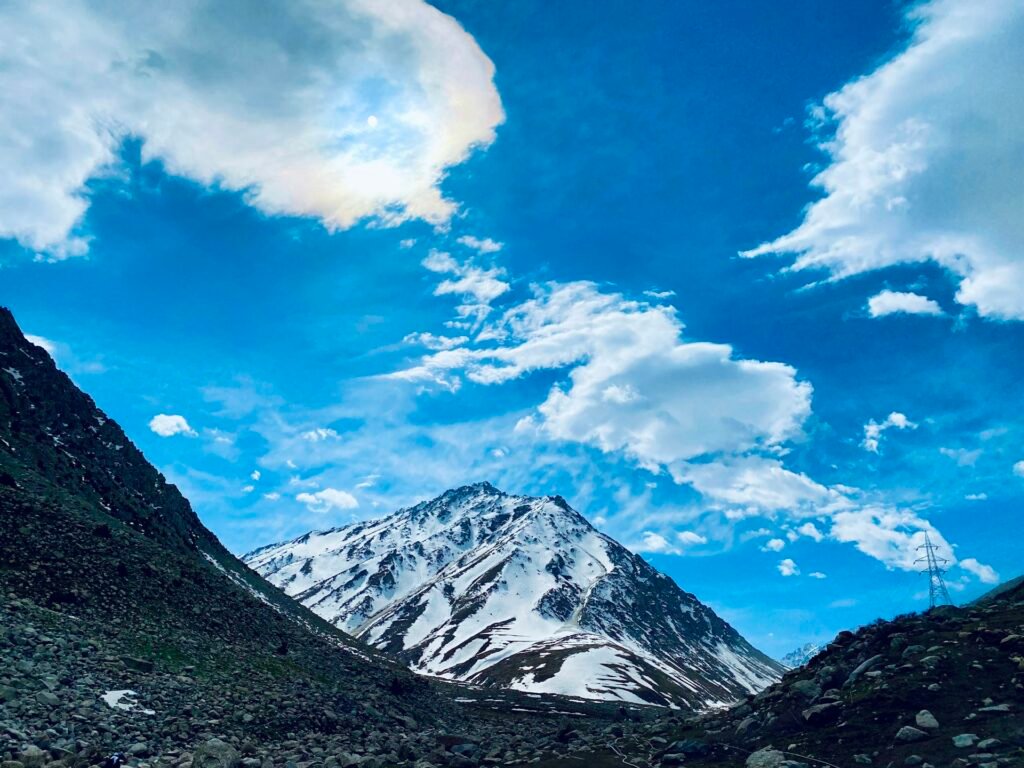
Timeline of the conflict
| Date | What happened |
|---|---|
| October 2025 | Pakistan strikes targets in Kabul; heavy border fighting |
| 19 October 2025 | Doha ceasefire mediated by Qatar and Türkiye |
| Late 2025 | Istanbul talks fail to agree a monitoring mechanism |
| Late February 2026 | Pakistan declares it is in “open war”; more strikes on Kabul and Kandahar |
| March 2026 | A Kabul airstrike hits a drug rehabilitation centre; Kabul says hundreds died |
| 1–7 April 2026 | China hosts Urumqi talks; both agree to avoid escalation, no formal deal |
| Mid-2026 | Truce under strain; sporadic cross-border attacks |
The Kabul airstrike controversy
In March 2026 an airstrike hit a drug rehabilitation centre in Kabul. The Taliban administration said more than 400 people were killed; Pakistan said it had precisely targeted military installations and terrorist support infrastructure. Independent verification was difficult. Such incidents deepen anger on both sides of the border and among ordinary Afghans who have long ties to Pakistan.
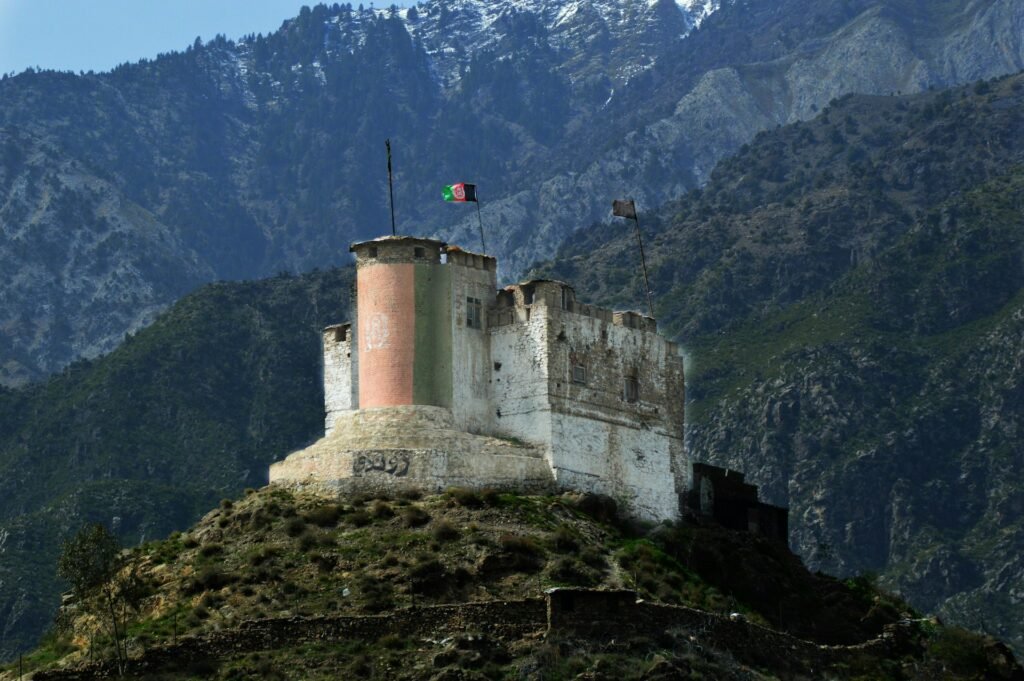
Mediation: Doha, Istanbul and Urumqi
Qatar and Türkiye brokered the Doha ceasefire in October 2025, followed by Istanbul talks that did not agree how to verify action against the TTP. In April 2026, China mediation brought both sides to the Urumqi talks in Xinjiang. China wants calm because of its investments and security concerns. Pakistan said success depends on Kabul taking “visible and verifiable” action; Kabul called the talks “useful”. Both agreed to avoid escalation and discussed reopening trade routes.
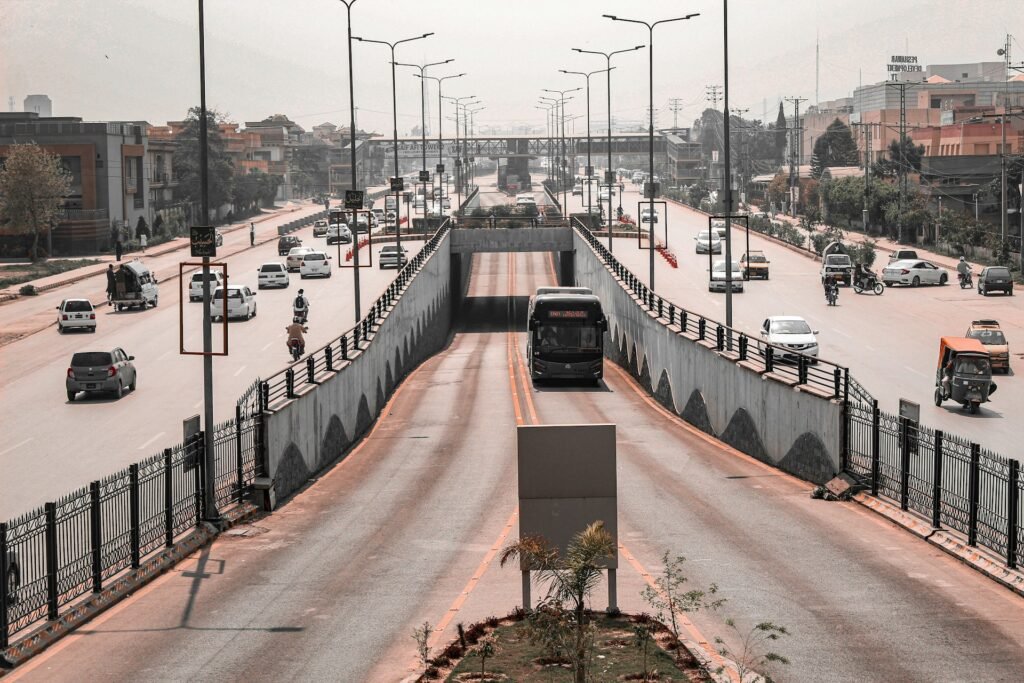
Trade, refugees and the Torkham border
The Torkham border crossing near the Khyber Pass and the Chaman crossing in Balochistan have been shut for long periods, hurting traders and truckers on both sides. Pakistan has also been sending back Afghan refugees and undocumented migrants, many of whom were born in Pakistan. These steps add to bitterness among Afghans.
The India factor
One more driver of Pakistan Afghanistan tensions is India. Pakistan is also worried about growing India Afghanistan ties, including a joint statement that mentioned Kashmir, to which Pakistan strongly objected. Islamabad fears India could use Afghan soil against it; Kabul says it follows an independent foreign policy.
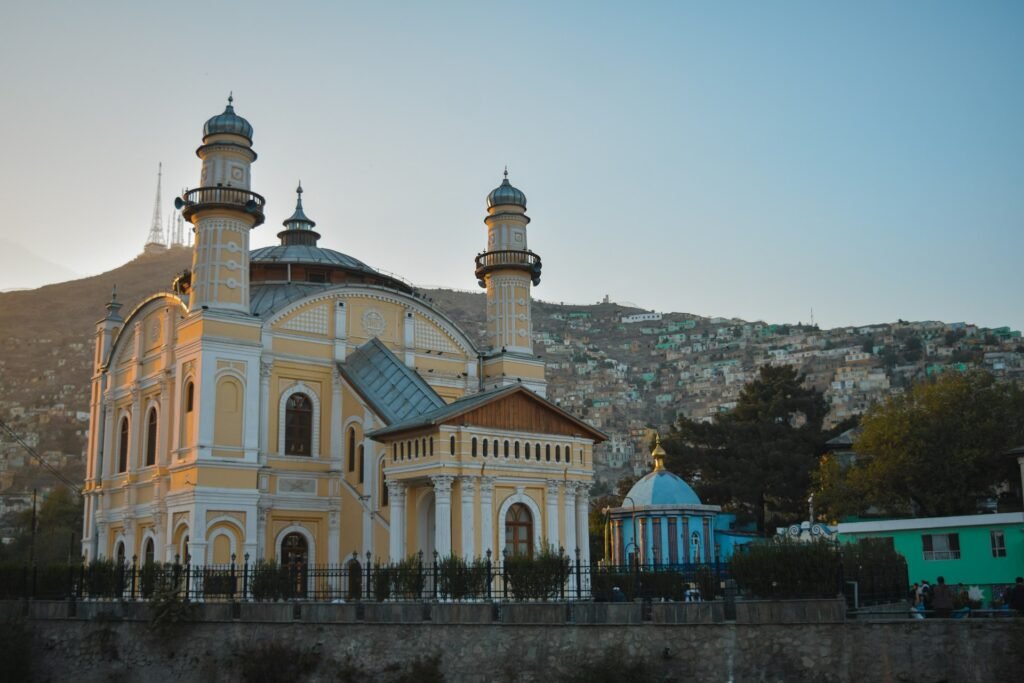
What could ease Pakistan Afghanistan tensions?
- Real, verifiable action by Kabul against TTP leaders and camps.
- A joint border mechanism, possibly monitored by Qatar, Türkiye or China.
- Reopening trade and transit, which helps ordinary families on both sides.
- Respectful treatment of Afghan refugees and a gradual, orderly return process.
- Steady pressure from the wider Muslim world for brotherly ties.
Frequently asked questions
Why are Pakistan and Afghanistan fighting?
Mainly over the TTP, which Pakistan says attacks it from Afghan soil, plus the disputed Durand Line.
What is the TTP?
Tehreek-e-Taliban Pakistan, a militant group fighting the Pakistani state since 2007.
Is the TTP the same as the Afghan Taliban?
No. They are separate groups, but they share ideology and links.
What is the Durand Line?
The 1893 border of about 2,600 km between Pakistan and Afghanistan.
Does Afghanistan accept the Durand Line?
No Afghan government has formally accepted it.
When did the latest fighting start?
In October 2025, with Pakistani strikes and heavy border clashes.
What was the Doha ceasefire?
A truce agreed on 19 October 2025 with mediation by Qatar and Türkiye.
What were the Urumqi talks?
China-hosted talks from 1 to 7 April 2026 that ended without a formal deal.
Did Pakistan declare war on Afghanistan?
Pakistan’s defence minister said in February 2026 that the countries were in “open war”.
Is the Torkham border open?
It has been closed for long periods; check official notices before travelling or shipping goods.
Why does China mediate?
It wants stability for its investments and its own security in the region.
How can Pakistan Afghanistan relations improve?
Through verifiable action against the TTP, a joint border mechanism, open trade and respectful treatment of refugees.