Here is the Iran war explained in one paragraph. On 28 February 2026 the United States and Israel launched large-scale strikes on Iran, calling them Operation Epic Fury and Operation Roaring Lion. Iran answered with missiles and drones against Israel, US bases and Gulf states, and choked shipping in the Strait of Hormuz. Pakistan helped broker a ceasefire in April and the Islamabad MoU in June, but the deal unravelled. Since July a US naval blockade of Iran has been back in force, oil prices remain high and no final peace deal exists.
In this article
Iran war explained: why did the US attack Iran?
Washington and Tel Aviv said the aim was to stop Iran’s nuclear programme and destroy its missiles, drones and navy. A US fact sheet says strikes began at 1:15 am (US Eastern time) on 28 February and hit about 6,000 targets in the first 13 days, including missile sites, air defences and minelaying ships. Indirect talks over Iran’s nuclear work, mediated by Oman, were still under way when the bombing started, which is why many international lawyers and arms-control experts called the attack illegal.
The US named its campaign Operation Epic Fury; Israel called its part Operation Roaring Lion. Iran’s leadership, including Supreme Leader Ali Khamenei, was targeted, and Khamenei was killed in the opening strikes.
How Iran responded
Iran and its Revolutionary Guard (IRGC) fired missiles and drones at Israel and at US bases across the region. Gulf states attacks followed: Iranian strikes hit targets in Bahrain, Kuwait and other Gulf states, as well as Jordan, shaking a region where millions of Pakistanis live and work. Iran also declared the Strait of Hormuz closed to ships it considered hostile, and attacked tankers that ignored its orders.
With the Iran war explained in these basic steps, the next question is why one waterway caused so much panic.
Strait of Hormuz closed: why the world panicked
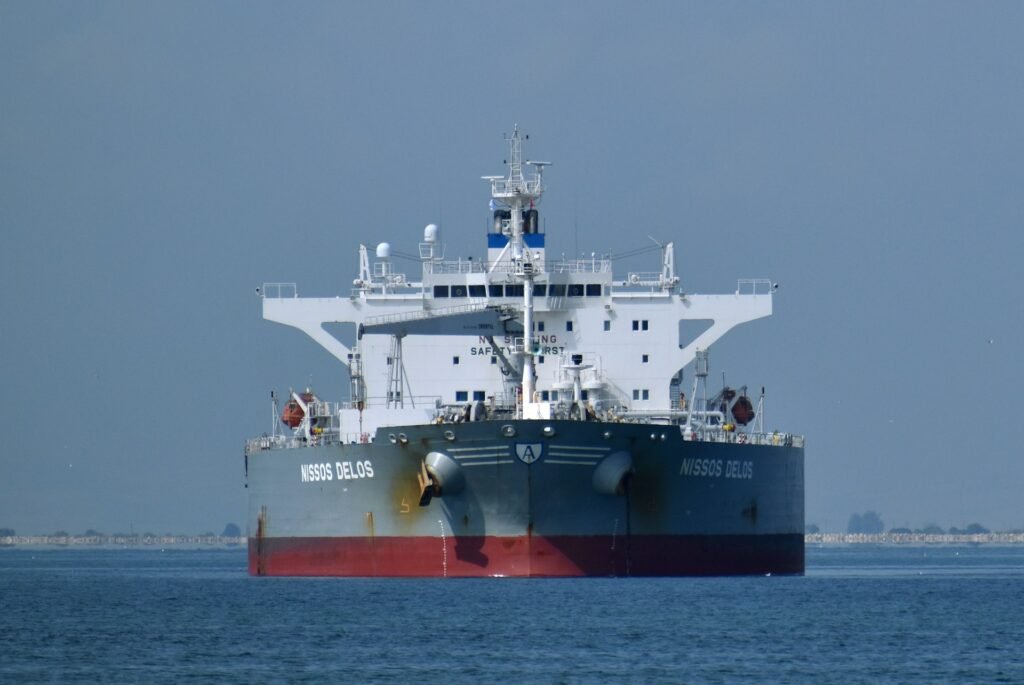
Before the war, about one fifth of the world’s traded crude oil and natural gas passed through the Strait of Hormuz. With the strait closed or dangerous, insurers pulled out, tankers waited and oil prices iran war fears pushed Brent crude above $120 a barrel at the peak. Countries that import most of their fuel, Pakistan among them, were hit hardest. Read our full guide to the Strait of Hormuz.
Iran war timeline
| Date (2026) | What happened |
|---|---|
| 28 February | US and Israel begin strikes on Iran |
| Early March | Iran hits Gulf states; Hormuz traffic collapses |
| 7 April | Pakistan-brokered two-week ceasefire |
| 11–12 April | Islamabad talks between US and Iranian delegations |
| 13 April | First US naval blockade of Iranian ports |
| 14–18 June | Islamabad MoU announced and signed; blockade to be lifted |
| Early July | Clashes over Hormuz; interim deal unravels |
| 14 July | US blockade resumes and strikes restart |
| November | Talks through Qatar; no final deal |
The Iran ceasefire and the Islamabad talks
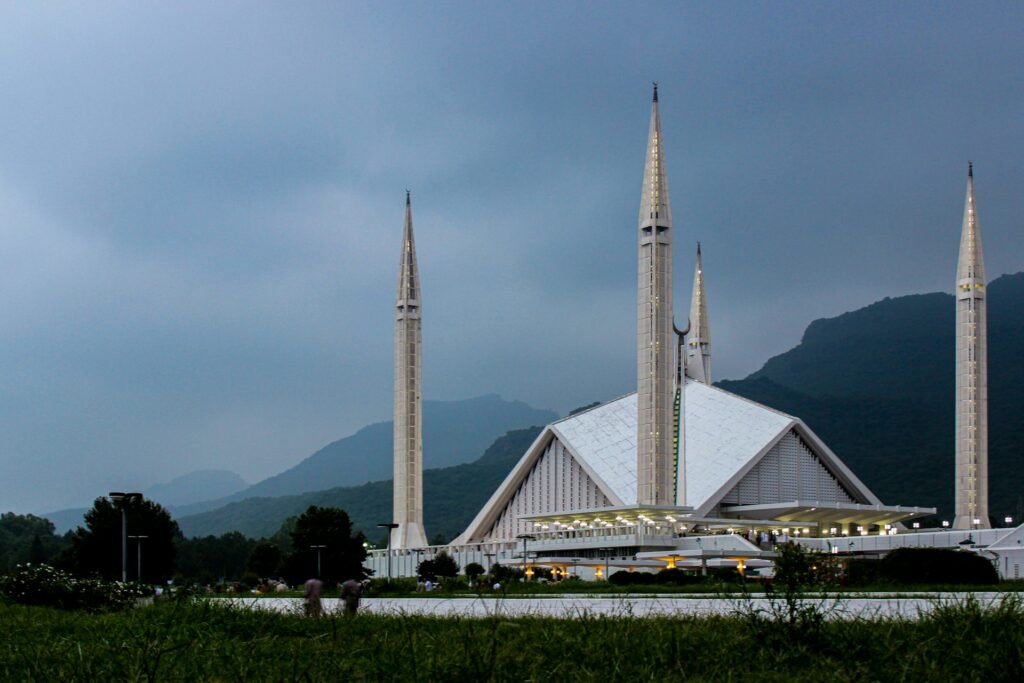
Pakistan, which borders Iran and has close ties with Saudi Arabia, Qatar and Türkiye, offered itself as a neutral host. Its pakistan mediation produced an Iran ceasefire in early April and then the Islamabad talks, the highest-level direct contact between US and Iranian officials in decades. The ceasefire held only partly, and fighting over shipping continued.
What was the Islamabad MoU?
The Islamabad MoU (memorandum of understanding) was announced on 14–15 June and signed on 17–18 June 2026, with Pakistan signing as witness and mediator. Its 14 points promised:
- an immediate end to military operations on all fronts;
- a 60-day window to negotiate a final deal, including limits on the iran nuclear programme;
- removal of the US naval blockade within 30 days and safe, toll-free passage through Hormuz;
- gradual sanctions relief, starting with waivers for Iranian oil exports.
Analysts called it “flawed but welcome”. It was vague by design, so each side could sell it at home.
Why the deal collapsed
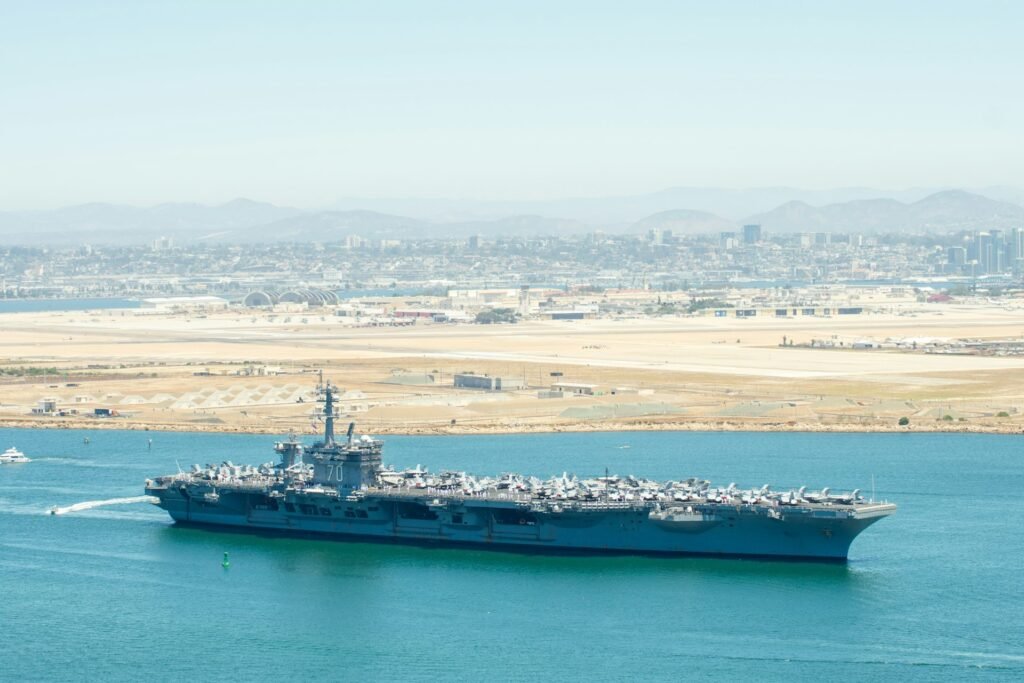
Within weeks both sides accused the other of violations. Iran attacked tankers it said were defying its control of the strait; the US carried out strikes near Hormuz. On 14 July US Central Command reimposed the naval blockade of Iran, and Iran retaliated against Kuwait, Bahrain and Jordan. The 60-day negotiating window passed without a final agreement. Read more in our explainer on the naval blockade.
Is the Iran war over?
No. The Iran war 2026 is not over: as of late November the war is in a low-intensity phase: the blockade continues, ships still face attacks, and the US has carried out limited strikes. Messages pass through Qatar, but Iran publicly denies direct talks. Brent crude fell to around $92–96 a barrel in November as Gulf exports recovered, still well above its pre-war level of about $70.

Muslim world reaction
Muslim countries condemned the strikes on Iran and the attacks on Gulf states alike, and pressed for talks. Pakistan, Qatar, Saudi Arabia and Türkiye each played a role in mediation. For ordinary Muslims, the war deepened anxiety about a region that holds the holy cities and is home to millions of workers from South Asia.
What it means for Pakistan
Fuel prices, Gulf jobs, remittances and diplomacy have all been affected. See the Iran war impact on Pakistan.
Frequently asked questions
When did the US Iran war start?
On 28 February 2026, when the United States and Israel launched strikes on Iran.
What is Operation Epic Fury?
The US name for its military campaign against Iran, launched on 28 February 2026.
What is Operation Roaring Lion?
Israel’s name for its part of the joint attack on Iran.
Why did the US attack Iran?
The US and Israel said they wanted to stop Iran’s nuclear programme and destroy its missiles and navy. Critics say the attack broke international law while talks were under way.
Did the Israel Iran war involve other countries?
Yes. Iran struck US bases and Gulf states, and the war disrupted shipping for the whole world.
What is the Islamabad MoU?
A 14-point US-Iran memorandum of understanding signed in June 2026, with Pakistan as mediator, to end fighting and open 60 days of talks.
Is the Islamabad MoU still valid?
No. It unravelled in July 2026 and its 60-day window passed without a final deal.
Was the Strait of Hormuz closed?
Iran declared it closed to hostile shipping and attacked tankers, so traffic collapsed for months.
Is there a naval blockade of Iran now?
Yes. The US resumed its blockade of Iranian ports on 14 July 2026.
Is the Iran war over?
Not yet. Fighting is lower than in spring, but there is no final peace deal.
How did the war affect oil prices?
Brent rose from about $70 before the war to over $120 at its peak, and was around $92–96 in November 2026.
What role did Pakistan play?
Pakistan hosted the Islamabad talks and signed the June MoU as mediator and witness.