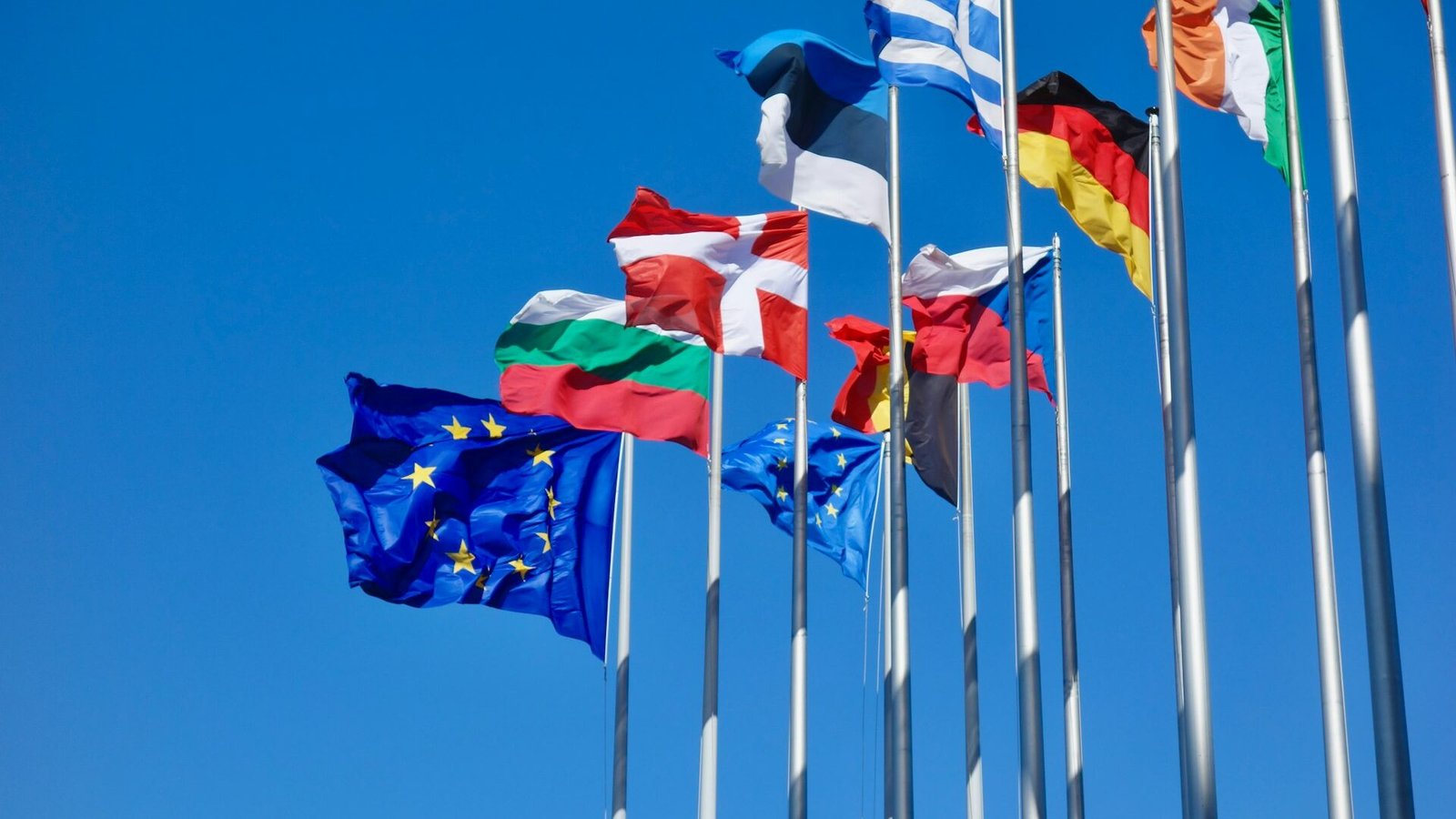
The G20, or Group of Twenty, is a forum where the leaders of the world’s largest economies meet to coordinate on growth, trade, finance and other global issues. It has 21 members: 19 countries, the European Union and the African Union. Together they produce around 85% of the world’s economic output and about three-quarters of global trade. The G20 does not pass laws; it works by agreement, and its decisions depend on members choosing to act on them.
In this article
Which countries are in the G20?
The 19 member countries are: Argentina, Australia, Brazil, Canada, China, France, Germany, India, Indonesia, Italy, Japan, Mexico, Russia, Saudi Arabia, South Africa, South Korea, Turkey, the United Kingdom and the United States. The European Union is a member in its own right, and the African Union became a permanent member at the New Delhi summit in 2023.
Spain is not a member but attends every summit as a permanent guest. Each year’s host also invites a few other countries and international organisations, such as the International Monetary Fund and the World Bank.
Why was the G20 created?
The G20 began in 1999, after the Asian financial crisis showed that problems in emerging economies could quickly spread worldwide. At first it was a meeting of finance ministers and central bank governors. During the global financial crisis of 2008, it was upgraded to a summit of presidents and prime ministers, with the first leaders’ meeting held in Washington in November 2008.
That crisis response is still seen as the G20’s biggest success: members coordinated stimulus spending, boosted the resources of the IMF and agreed on tighter rules for banks.

How does the G20 work?
The G20 has no permanent headquarters or staff. Instead, the presidency rotates each year among members, and the country holding it sets the agenda, hosts meetings and organises the leaders’ summit at the end of its year.
To keep work going from one year to the next, the G20 uses a “troika”: the previous, current and next presidencies work together. Through the year, ministers and officials meet in working groups on topics such as finance, energy, health and digital policy, and their work feeds into a final leaders’ declaration. Because decisions are made by consensus, a single member can block agreement on a text.
G20 vs G7: what is the difference?
| G7 | G20 | |
|---|---|---|
| Members | Canada, France, Germany, Italy, Japan, UK, US (plus the EU) | 19 countries plus the EU and the African Union |
| Who is included | Advanced democracies only | Advanced and emerging economies, including China, India, Brazil and Saudi Arabia |
| Share of world GDP | Smaller, and falling over time | Around 85% |
| Started | 1975 (as the G6) | 1999 (leaders’ summits since 2008) |
The 2026 G20 summit in Miami
The United States took over the G20 presidency on 1 December 2025. It is the first US presidency since 2009 and the start of a second full rotation among members. The leaders’ summit is scheduled for 14–15 December 2026 at the Trump National Doral resort near Miami, Florida.
The US government has said it wants a narrower agenda focused on economic growth, removing regulatory barriers and energy. The presidency has also been unusually contentious. The United States did not attend the 2025 summit in Johannesburg, the first G20 summit held in Africa, and President Trump has said South Africa will not be invited to the 2026 summit. Analysts at institutions such as the Council on Foreign Relations have noted that this breaks with the troika tradition, since South Africa held the previous presidency. The United Kingdom is due to take over the presidency in 2027.

Why is Pakistan not in the G20?
Membership was fixed when the group was formed in 1999, based mainly on the size of each economy and its importance to the global financial system at the time. There is no formal process for applying or for adding new members; the African Union’s entry in 2023 came through a political decision by existing members.
Pakistan’s economy, while large by population, is smaller than those of the current members. G20 decisions still matter to Pakistan: they shape debt relief for developing countries, IMF lending capacity, climate finance and trade rules. During the pandemic, for example, the G20’s Debt Service Suspension Initiative let Pakistan and dozens of other countries delay debt repayments.
Did you know?
The “20” in G20 is a name, not a count. With the EU and the African Union included, the group has 21 members, and a summit table usually seats even more once guest countries and organisations are added.
Does the G20 matter?
Supporters say the G20 is the only regular forum where the United States, China, India, Europe and major emerging economies sit at one table. Critics say it has become harder to agree on anything since the 2008 crisis, as tensions between members have grown, and that its declarations are often vague. Both can be true: the G20 is at its most useful in a crisis, when members have a shared reason to act.
Frequently asked questions
How many members does the G20 have?
21: 19 countries plus the European Union and the African Union.
Where is the 2026 G20 summit?
Near Miami, Florida, on 14–15 December 2026, under the US presidency.
Is Pakistan a member of the G20?
No. Membership was set in 1999 and has only been expanded once, to add the African Union.
Who will host the G20 in 2027?
The United Kingdom is due to hold the 2027 presidency.
Is China in the G20?
Yes. China, India, Brazil, Russia and Saudi Arabia are all members, which is one of the key differences from the G7.
What does G20 stand for?
Group of Twenty. It brings together 19 countries, the European Union and the African Union.
When was the G20 formed?
In 1999, as a meeting of finance ministers and central bank governors after the Asian financial crisis. Leaders’ summits began in 2008, during the global financial crisis.
What is the difference between the G20 and the G7?
The G7 is a smaller group of seven advanced economies. The G20 adds major emerging economies such as China, India, Brazil and Saudi Arabia, plus the EU and the African Union.
When did the African Union join the G20?
In September 2023, at the New Delhi summit, it became a permanent member.
Does the G20 have a headquarters?
No. It has no permanent secretariat. A presidency rotates among members each year and the host country organises the meetings.