The Strait of Hormuz is a narrow sea passage between Iran to the north and Oman’s Musandam Peninsula to the south. It is the only sea route out of the Persian Gulf, so oil and gas from Saudi Arabia, Iraq, Kuwait, the UAE, Qatar and Iran must pass through it. Before the 2026 Iran war, about a fifth of all traded crude oil and natural gas went through this chokepoint. When Iran shut it to hostile shipping, prices jumped worldwide, and the petrol price in Pakistan hit a record.
In this article
Where is the Strait of Hormuz?
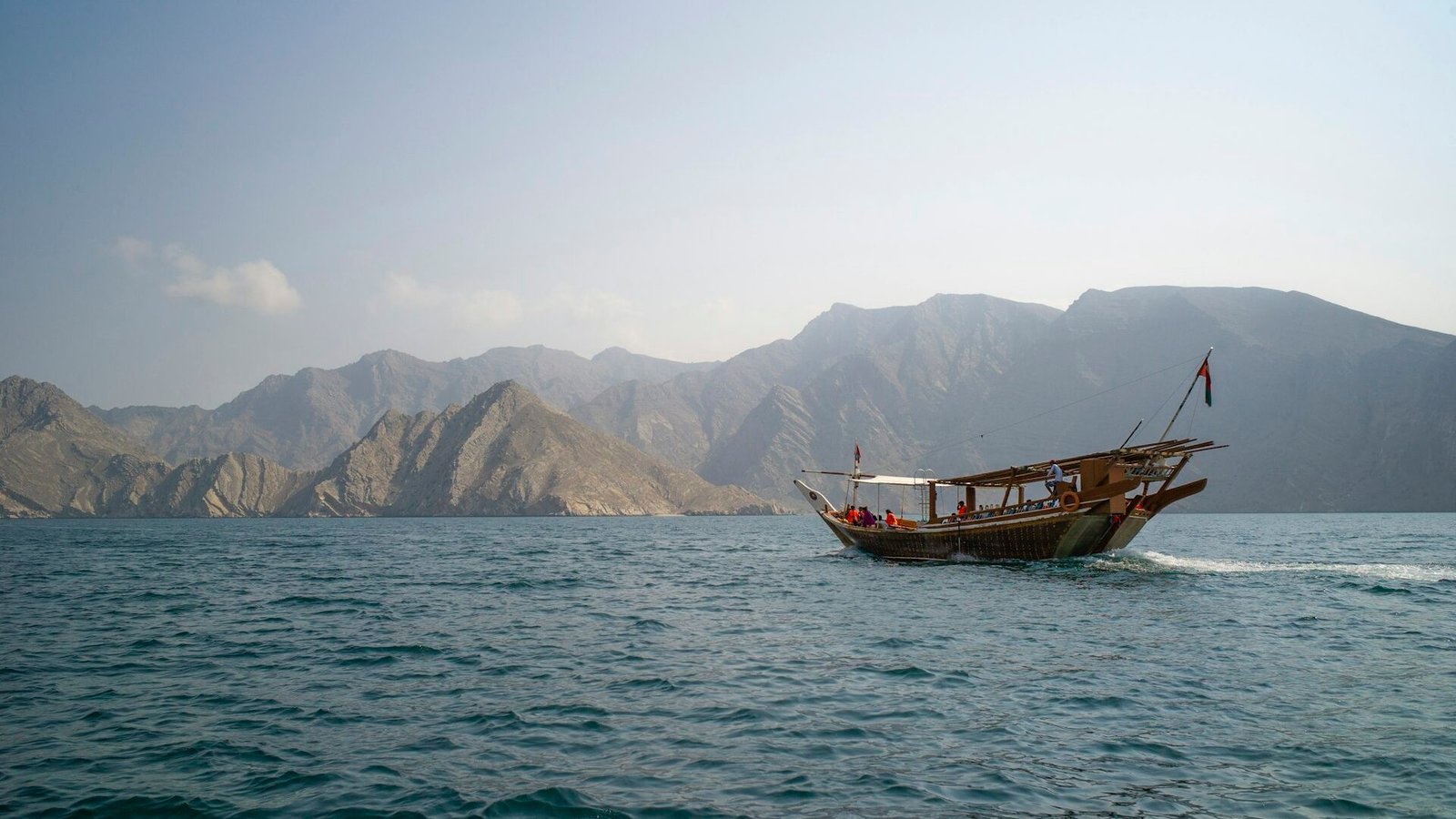
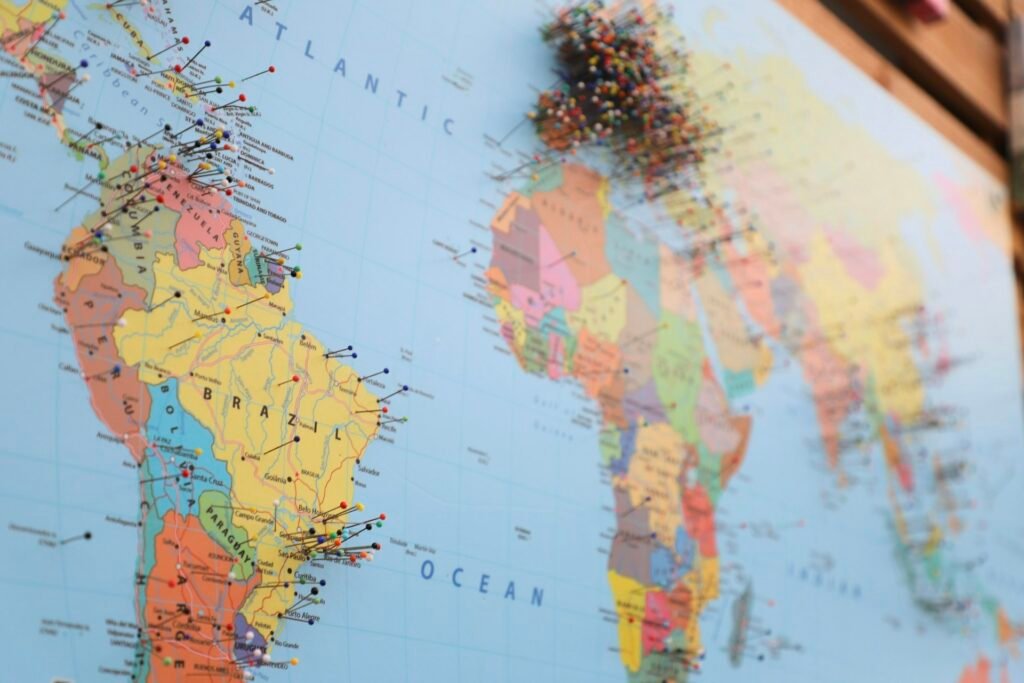
Look at a strait of hormuz map and you will see a bent, bottle-neck channel: the Persian Gulf on one side and the Gulf of Oman, leading to the Arabian Sea, on the other. At its narrowest the strait is only about 33 km wide, and ships use two marked lanes, one inbound and one outbound. The rugged Musandam Peninsula, an Omani exclave, forms its southern shore; Iranian ports such as Bandar Abbas lie to the north. Karachi and Gwadar are only a few days’ sailing away.
Why the Strait of Hormuz is a chokepoint
A chokepoint is a narrow route that a huge share of world trade must use. Oil tankers and LNG shipments from the Gulf have few alternatives: Saudi Arabia and the UAE have some alternative pipelines to the Red Sea and to Fujairah outside the strait, but they cannot carry everything. Qatar’s LNG has no way out except by sea through Hormuz.
What happened when Iran closed the Strait of Hormuz
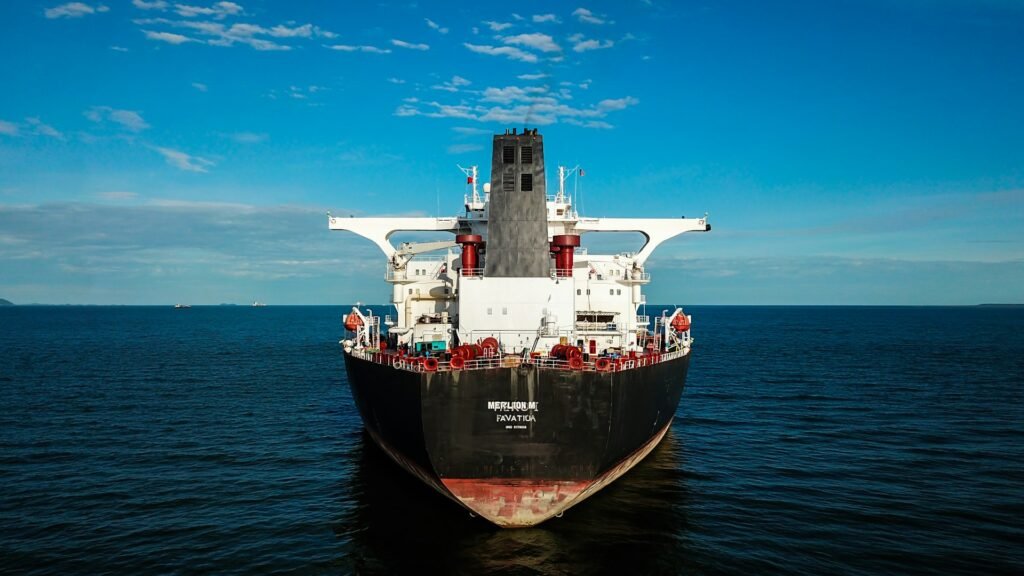
When people ask what it meant when Iran closes Strait of Hormuz shipping, the 2026 answer is clear. After the United States and Israel attacked Iran on 28 February 2026, Iran’s Revolutionary Guard declared the strait closed to ships it considered hostile and attacked several tankers. Traffic collapsed. Shipping insurance became expensive or unavailable, tankers waited at anchor and oil prices surged. Even after the June ceasefire deal, Iran said it would manage traffic, and a row over a proposed hormuz toll helped wreck the truce in July.
The June 2026 Islamabad MoU promised toll-free passage and said Iran would work with Oman and other regional states on future maritime arrangements. When the deal unravelled, the US reimposed its naval blockade of Iranian ports. Commercial flows have since recovered to near pre-war levels, but ships still face risk. See Iran war explained.
Oil imports Pakistan: why we are exposed
Pakistan imports more than 80% of its oil, mainly from Saudi Arabia, the UAE and Kuwait, and almost all of it sails through Hormuz. The country has small strategic reserves of only a few weeks, so any disruption quickly reaches the pump.
Petrol price in Pakistan during the war
| Date (2026) | Petrol (Rs/litre) | Diesel (Rs/litre) |
|---|---|---|
| Before the war | 266.17 | 280.86 |
| 6 March | 321.17 | 335.86 |
| 3 April (peak) | 458.41 | 520.35 |
| Autumn revisions | about 325–332 | about 378–384 |
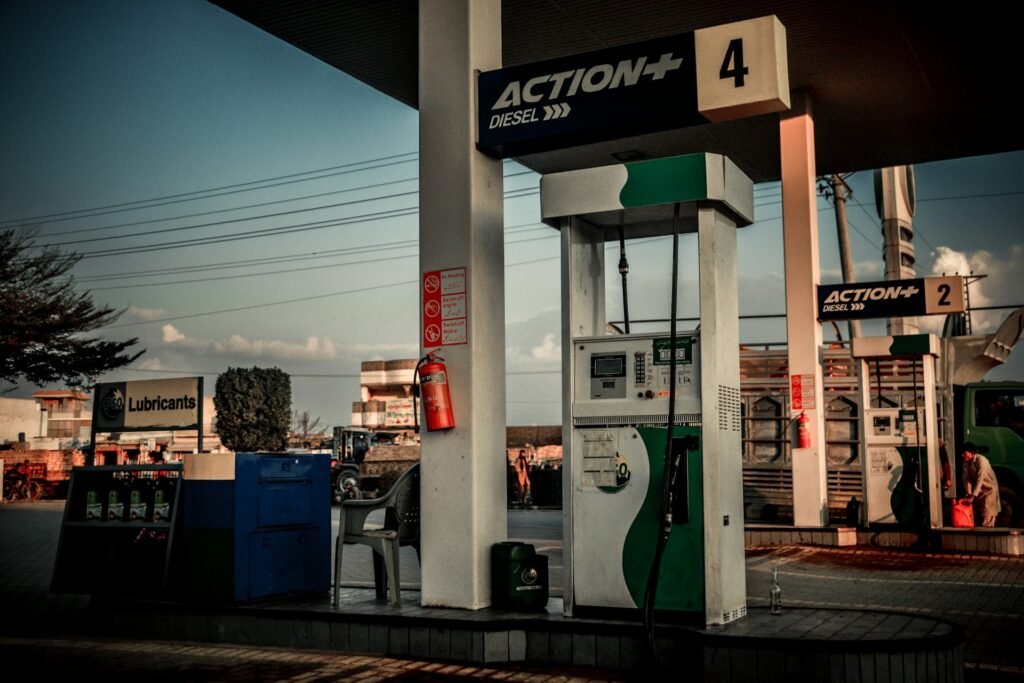
The diesel price in Pakistan matters even more than petrol, because trucks, buses, tractors and generators run on it. When diesel rises, the cost of moving wheat, vegetables and goods rises too, and so does inflation. Read what inflation is.
How the government cushioned the shock
- A Rs100 per litre petrol subsidy for motorcyclists, capped at 20 litres a month.
- Targeted relief for farmers and transporters.
- Changes to the petroleum levy to hold down diesel.
- Austerity measures and appeals to save fuel.
Could the strait be closed again?
Yes, while the US-Iran war remains unresolved. That is why Pakistan is looking at bigger strategic reserves, more local refining, solar power and closer energy deals with Gulf partners.
Frequently asked questions
Where is the Strait of Hormuz?
Between Iran and Oman’s Musandam Peninsula, linking the Persian Gulf to the Gulf of Oman.
How wide is the Strait of Hormuz?
About 33 km at its narrowest, with two narrow shipping lanes.
Why is the Strait of Hormuz important?
About a fifth of the world’s traded oil and gas passed through it before the 2026 war.
Did Iran close the Strait of Hormuz?
Iran declared it closed to hostile shipping in March 2026 and attacked tankers, so traffic collapsed.
Is the Strait of Hormuz open now?
Commercial traffic has recovered to near pre-war levels, but the area is still risky and a US blockade of Iranian ports continues.
What is the Hormuz toll?
A proposed fee on ships using the strait, which both sides floated at different times; the June MoU promised toll-free passage.
Where does Pakistan get its oil?
Mostly from Saudi Arabia, the UAE and Kuwait, shipped through Hormuz.
What was the highest petrol price in Pakistan?
Rs458.41 per litre on 3 April 2026; diesel peaked at Rs520.35.
Why does the diesel price matter so much?
Diesel moves trucks, buses and farm machinery, so it pushes up food and transport costs.
Are there alternative pipelines?
Saudi Arabia and the UAE have some pipelines that bypass the strait, but not enough to replace it.
Which country owns the Strait of Hormuz?
Its waters belong to Iran and Oman, but ships of all nations have a right of transit passage under international law.
Does LNG also pass through Hormuz?
Yes. Qatar’s LNG shipments, which Pakistan also buys, must pass through the strait.