Climate change is the long-term warming of the Earth and the changes in weather patterns that come with it. Since the late 1800s, the planet has warmed by around 1.4°C, mainly because burning coal, oil and gas releases carbon dioxide and other greenhouse gases that trap heat in the atmosphere. The result is hotter heatwaves, heavier rain in some places, longer droughts in others, melting glaciers and rising seas.
In this article
Climate change vs global warming
The two terms are often used interchangeably, but they mean slightly different things. Global warming refers to the rise in the planet’s average temperature. Climate change is broader: it includes the warming and everything that follows from it, such as changing rainfall, stronger storms, ocean acidification and sea-level rise.
What causes climate change?
The Earth’s atmosphere naturally contains greenhouse gases such as carbon dioxide (CO₂), methane and water vapour. They let sunlight in but trap some of the heat that the Earth gives off, like a blanket. This natural greenhouse effect keeps the planet warm enough for life.
Human activity has thickened that blanket. The main sources of extra greenhouse gases are:
- Burning fossil fuels such as coal, oil and gas for electricity, transport and industry, the largest source by far.
- Deforestation, which releases stored carbon and removes trees that would absorb CO₂.
- Agriculture, especially methane from livestock and rice paddies, and nitrous oxide from fertilisers.
- Industry, including cement and steel production.
According to the World Meteorological Organization (WMO), CO₂ in the atmosphere has risen from around 278 parts per million (ppm) in 1750 to 423.9 ppm in 2024, an increase of more than 50%. The jump between 2023 and 2024 was the largest annual rise since modern measurements began in 1957.
How do we know humans are responsible?
The Intergovernmental Panel on Climate Change (IPCC), which reviews the work of thousands of scientists, concluded in its 2021 report that it is “unequivocal” that human influence has warmed the atmosphere, ocean and land. Scientists reach this conclusion from several independent lines of evidence: the chemical fingerprint of fossil-fuel carbon in the air, the pattern of warming in the lower atmosphere and cooling in the upper atmosphere, and the fact that natural factors such as the Sun and volcanoes cannot explain the trend.
How much has the world warmed?
The WMO’s consolidated figures show that 2025 was about 1.44°C warmer than the 1850–1900 average, making it the second or third warmest year on record. 2024 was the warmest so far, at about 1.55°C, and the first calendar year to pass 1.5°C. Every year from 2015 to 2025 ranks among the eleven warmest ever measured.
One hot year above 1.5°C does not mean the Paris Agreement goal has been missed, because that goal refers to long-term averages over about 20 years. But the margin is shrinking fast.
The effects of climate change
- Extreme heat: heatwaves are hotter, longer and more frequent.
- Floods and heavy rain: warmer air holds more moisture, so downpours can be more intense.
- Droughts: some regions are drying out, hurting crops and water supplies.
- Melting ice: glaciers and polar ice sheets are shrinking.
- Rising seas: melting ice and warming water push sea levels up, threatening coastal cities.
- Ecosystems: coral reefs are bleaching, and many species are shifting where they live.

Why Pakistan is so vulnerable
Pakistan is responsible for less than 1% of the world’s greenhouse gas emissions, yet it is consistently ranked among the countries most affected by climate change. Its geography puts it in the path of several threats at once:
- Floods: in 2022, record monsoon rains and glacier melt flooded about a third of the country. Some 33 million people were affected and more than 1,700 died. A government assessment supported by the World Bank, the UN and other partners put damages and economic losses at more than US$30 billion.
- Heat: cities such as Jacobabad in Sindh regularly reach temperatures close to the limits that the human body can tolerate.
- Glaciers: northern Pakistan holds more glacial ice than almost anywhere outside the polar regions. As glaciers melt, they feed the Indus but also create unstable lakes that can burst and cause sudden floods.
- Water and food: farming depends heavily on the Indus river system, so changes in rain and snowmelt directly affect harvests.
What is the Paris Agreement?
Agreed in 2015, the Paris Agreement commits almost every country to keeping global warming “well below” 2°C above pre-industrial levels and to pursue efforts to limit it to 1.5°C. Each country sets its own plan for cutting emissions, called a nationally determined contribution, and is expected to strengthen it every five years. Rich countries also pledged climate finance to help developing countries cut emissions and adapt.
What can be done?
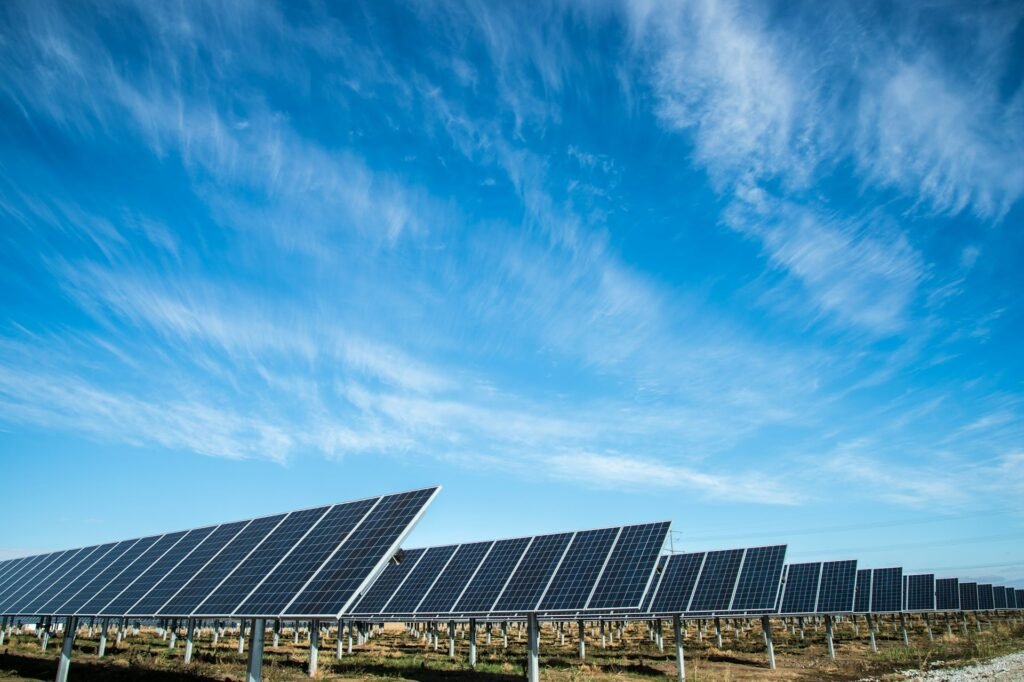
Experts group the response into two parts. Mitigation means cutting emissions: switching to clean energy such as solar and wind, using energy more efficiently, protecting forests and reducing methane. Adaptation means preparing for changes already under way: flood defences, early warning systems, heat-resilient cities and drought-tolerant crops.
What you can do
- Save electricity and switch to efficient appliances and LED lights.
- Consider rooftop solar if it suits your home.
- Walk, cycle, share rides or use public transport when you can.
- Plant and protect trees, which also cool streets in summer.
- Waste less food and water.
Frequently asked questions
What is climate change in simple words?
The long-term warming of the planet, mainly caused by burning fossil fuels, and the changes in weather that come with it.
What is the main cause of climate change?
Burning coal, oil and gas, which releases carbon dioxide into the atmosphere.
Is climate change caused by humans?
Yes. The IPCC says it is unequivocal that human influence has warmed the planet.
How does climate change affect Pakistan?
Through more severe floods, extreme heat, glacier melt and pressure on water and food supplies.
What is the 1.5°C target?
The Paris Agreement’s aim to limit long-term global warming to 1.5°C above pre-industrial levels.
What is the difference between weather and climate?
Weather is what happens over hours or days, such as today’s rain. Climate is the average pattern of weather in a place over 30 years or more.
What is the greenhouse effect?
Gases such as carbon dioxide and methane trap some of the heat the Earth gives off, keeping the planet warm. Adding more of these gases traps extra heat and warms the climate.
How much has the Earth warmed?
The planet is now about 1.2 to 1.3°C warmer than in the late 1800s, and 2024 was the warmest year on record, according to the World Meteorological Organization.
Is Pakistan a big polluter?
No. Pakistan produces less than 1% of global greenhouse gas emissions, yet it is among the countries most exposed to floods, heatwaves and glacier melt.
What can one person do about climate change?
Save electricity, use public transport or share rides, avoid wasting food and water, plant and care for trees, and support cleaner energy. Islam’s teaching against waste (israf) points the same way.
Read next