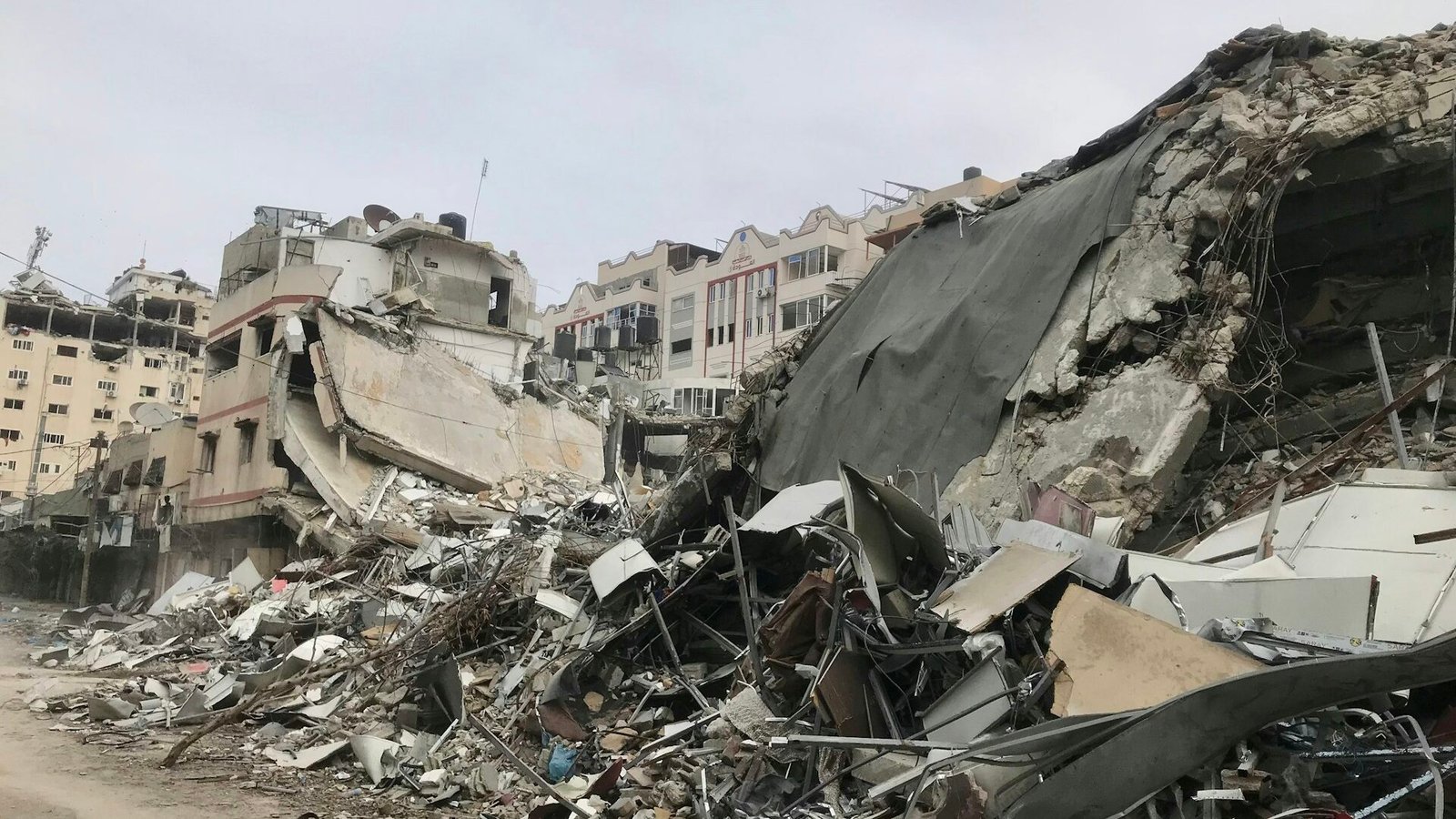
The Gaza humanitarian crisis did not end with the October 2025 ceasefire. As Gaza 2026 draws to a close, most of its 2.1 million people are still displaced, living in tents or damaged buildings. UN agencies report widespread food insecurity, hospitals short of medicines, children out of school and, this November, winter floods that swept through camps. Israeli strikes also continue. The UN says the response is slowed by Israeli restrictions on shelter items, spare parts and heavy machinery.
In this article
Gaza humanitarian crisis: the big picture
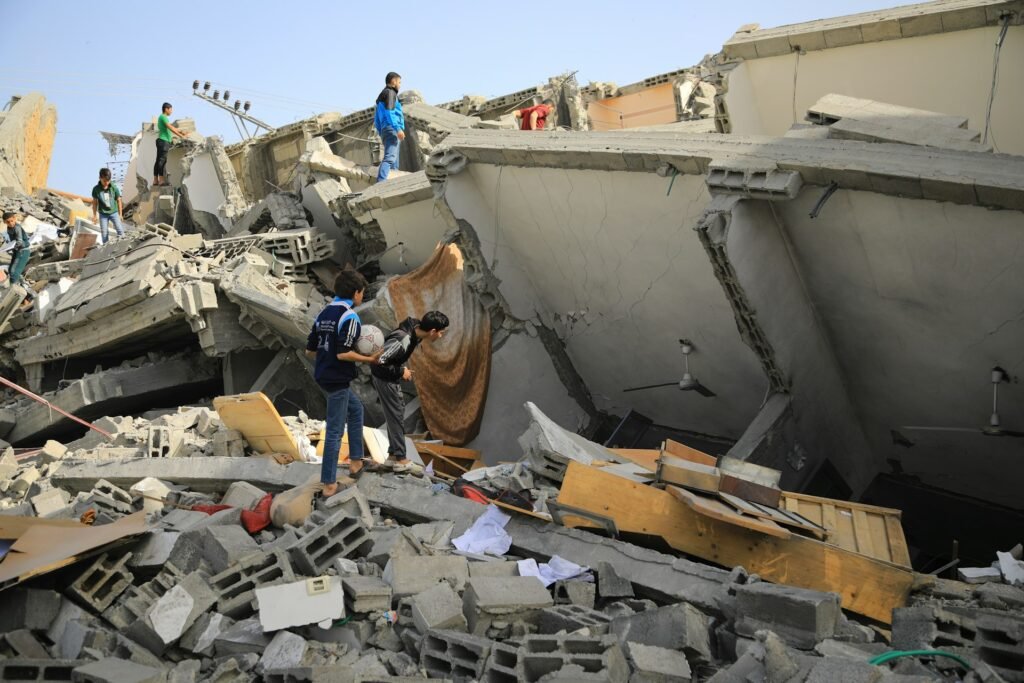
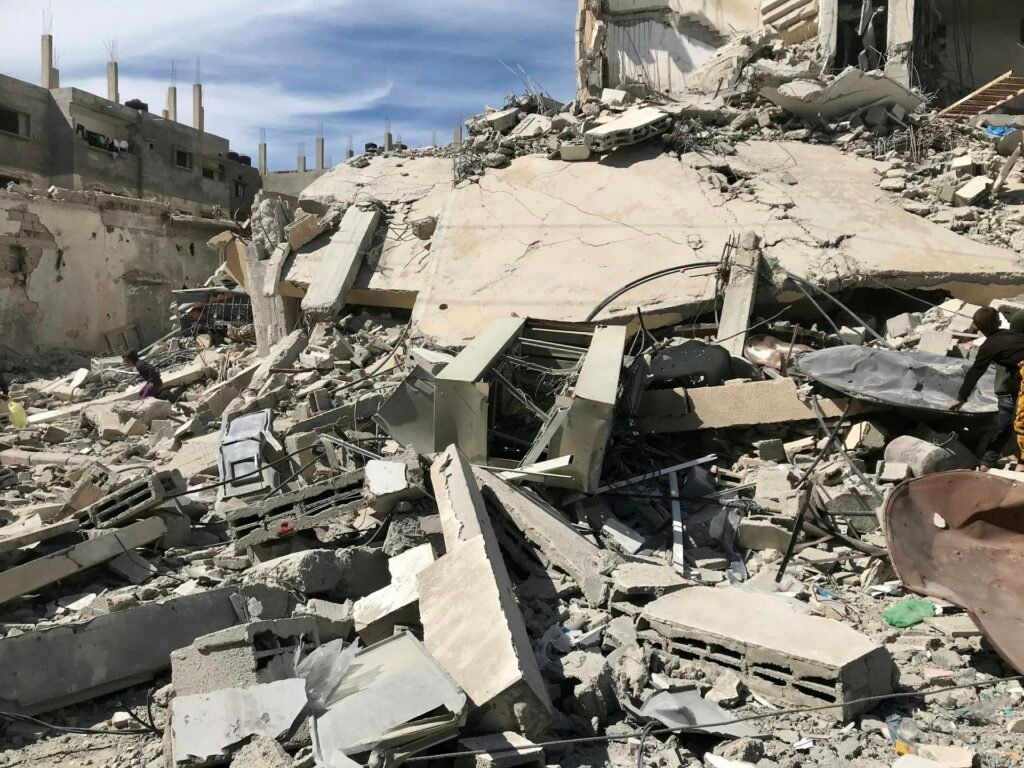
Two years of war destroyed most homes, schools, hospitals, water plants and farmland in Gaza. The ceasefire reduced the bombing but did not restore normal life. According to UN OCHA, airstrikes, shooting and shelling continue to hit populated areas, including displaced people. Gaza’s Health Ministry says more than 1,600 people have been killed since the ceasefire began. Read what is happening under the Gaza ceasefire.
Hunger and food insecurity in Gaza
Hunger in Gaza is measured carefully. The IPC (Integrated Food Security Phase Classification) is the global system the UN uses to measure hunger. Its analysis projects that about 1.4 million people in Gaza, around 67% of the population, face crisis-level food insecurity or worse between July and December 2026. Famine conditions declared during the war have eased, but malnutrition among young children and pregnant women remains a serious concern, and many families depend on community kitchens and food parcels.

Gaza hospitals and medicine shortages
Only some hospitals partly function. OCHA, citing the Health Ministry, reported in November that large shares of essential medicines, including many chemotherapy drugs, were out of stock. The World Health Organization (WHO) estimates that more than 43,000 people may have life-changing injuries, such as amputations, spinal injuries and severe burns, that need years of rehabilitation. Patients needing treatment abroad wait months for permission to leave.

Children in Gaza and education
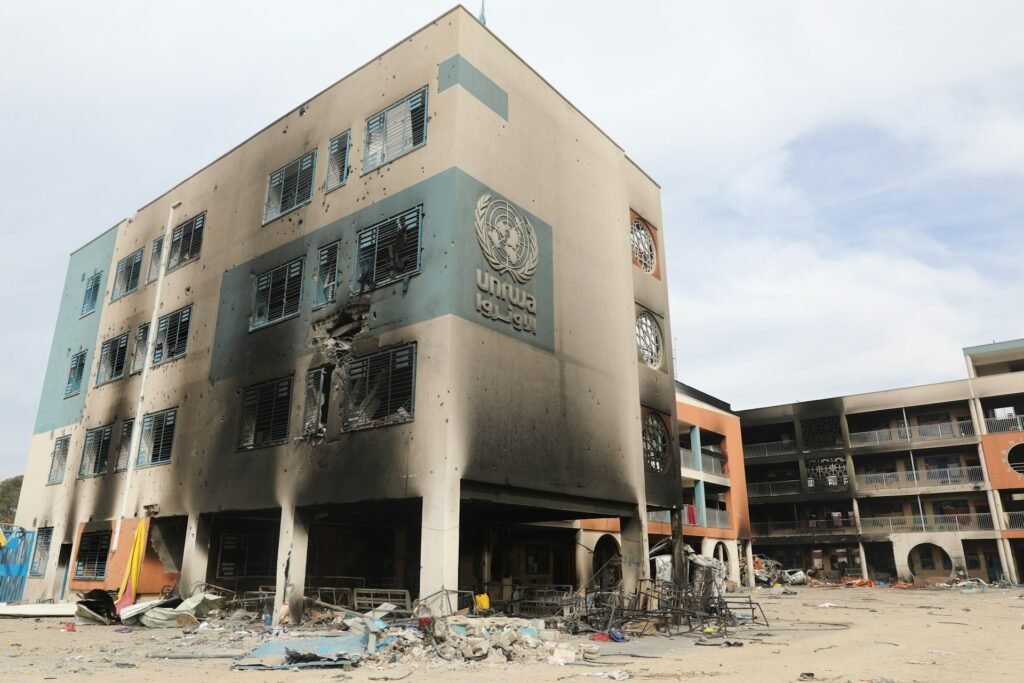
Education in Gaza has collapsed. Children make up about half of Gaza’s population. Most have lost at least two school years. UN figures show more than 771,000 children need education support. Many schools were used as shelters and were damaged or destroyed. UN and local teams run temporary learning spaces in tents, but these were also hit by floods. Psychologists warn of deep trauma among children who have lost parents, siblings and homes.
Displaced families, tents and shelters
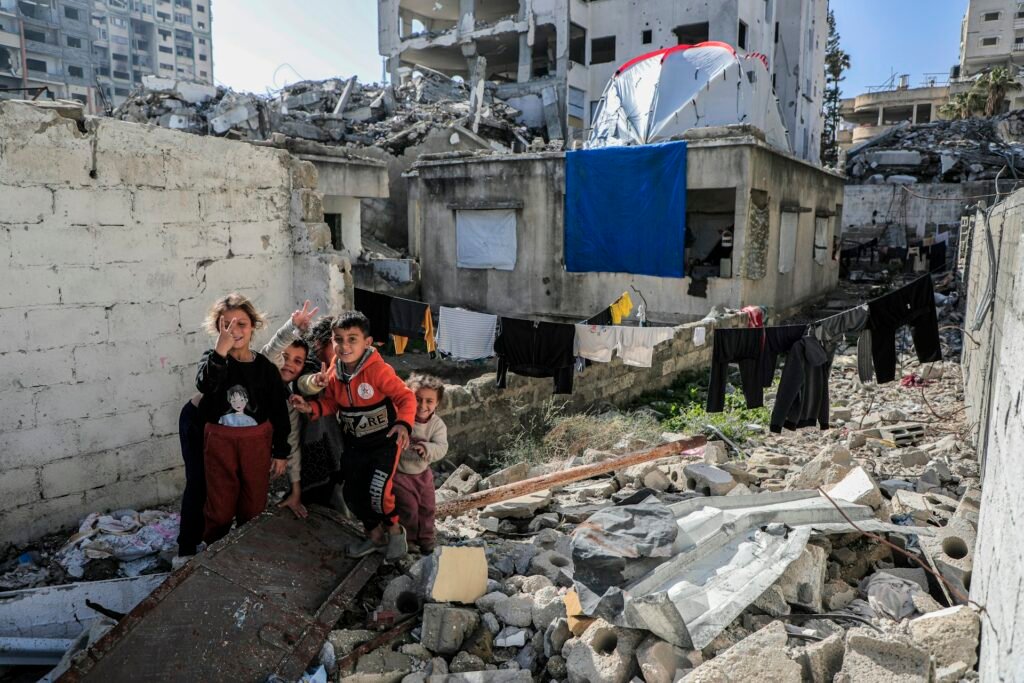
Most displaced families live in tents and makeshift shelters along the coast and in central Gaza. Heavy rain from 6 November 2026 caused winter floods: about 46,000 households were affected and over 40,000 family shelters damaged, OCHA reported. Some war-damaged buildings collapsed. OCHA said stocks of tents, tarpaulins, blankets and clothes inside Gaza were virtually exhausted, and asked for faster Israeli approvals to bring more in.
Clean water and sanitation
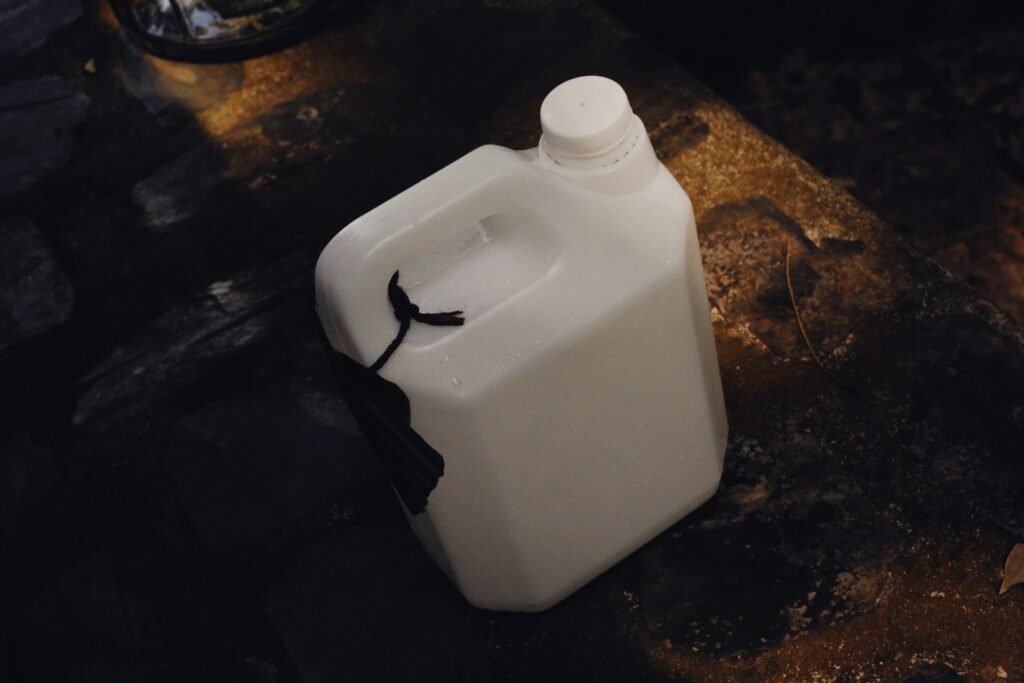
With water plants and pipes damaged, many families rely on water trucks, small desalination units and long queues. Floodwater mixing with sewage raises the risk of disease, especially for children.
Aid trucks and access
Aid enters through crossings such as Kerem Shalom, Zikim and Kissufim, and through Rafah for limited movement. UN agencies say Israel still restricts items it calls “dual use”, including engine oil, generators, spare parts, pipes and heavy machinery. Gaza’s government media office says only about a third of the aid trucks agreed under the ceasefire have entered. UNRWA, the UN agency for Palestine refugees, remains the backbone of education and health services despite Israeli bans on its work.
How to help Gaza
- Give through trusted channels: registered organisations such as UNRWA, the Palestine Red Crescent Society, and in Pakistan established charities such as Alkhidmat Foundation. Check registration before you donate.
- Zakat and sadaqah: many scholars allow zakat for eligible people in Gaza through reliable organisations.
- Dua: remember the people of Gaza in your prayers.
- Share facts, not graphic images: accurate information builds lasting awareness; graphic images can harm victims’ dignity.
- Beware of scams: avoid unknown accounts asking for money on social media.
Frequently asked questions
Is there still a humanitarian crisis in Gaza after the ceasefire?
Yes. Displacement, hunger, medicine shortages and continuing strikes mean the crisis is far from over.
How many people in Gaza face hunger?
About 1.4 million people, around 67%, face crisis-level food insecurity or worse in July–December 2026, according to IPC data.
What is the IPC?
The Integrated Food Security Phase Classification, the global system for measuring hunger.
Is there famine in Gaza now?
Famine conditions declared during the war have eased, but malnutrition remains a serious risk.
Are Gaza hospitals working?
Some partly function, but they lack many essential medicines and equipment.
How many people have life-changing injuries?
WHO estimates more than 43,000.
Are children in Gaza going to school?
Most have lost about two school years; some attend temporary learning spaces in tents.
What happened in the November 2026 floods?
Heavy rain affected about 46,000 households and damaged more than 40,000 family shelters.
Why is aid still limited?
UN agencies say Israel restricts many items, including shelter materials, spare parts and heavy machinery.
What is UNRWA?
The UN agency for Palestine refugees, which runs schools, clinics and aid in Gaza.
Can I give zakat to Gaza?
Many scholars say yes, for eligible recipients through reliable organisations; ask a scholar you trust.
How can I help Gaza from Pakistan?
Donate through registered charities, make dua and share accurate information.