The Gaza ceasefire came into force on 10 October 2025, after two years of Israeli bombardment that Gaza’s Health Ministry says killed more than 74,000 Palestinians. It was meant to stop the killing, bring in aid and start rebuilding. A year on, Gaza today is quieter than during the war, but it is not at peace. Israeli strikes continue almost daily, Israel still controls more than half of the Strip, and the international force and Palestinian technocratic government promised by the deal have barely started work.
In this article
What the Gaza ceasefire promised
The deal was based on the Trump 20-point plan, announced in September 2025. In its first phase, fighting stopped, Israeli captives were returned in exchange for Palestinian prisoners, and aid was to flow in. Later phases promised:
- a staged Israeli withdrawal from Gaza;
- Hamas disarmament and an end to its rule;
- an International Stabilization Force (ISF) to keep security;
- a Palestinian technocratic committee to run daily life, overseen by an international Board of Peace;
- large-scale reconstruction of Gaza.
On 17 November 2025 the UN Security Council passed Resolution 2803, welcoming the Board of Peace as Gaza’s transitional administration and authorising the ISF, with a mandate running to the end of 2027.
Is the Gaza ceasefire holding?
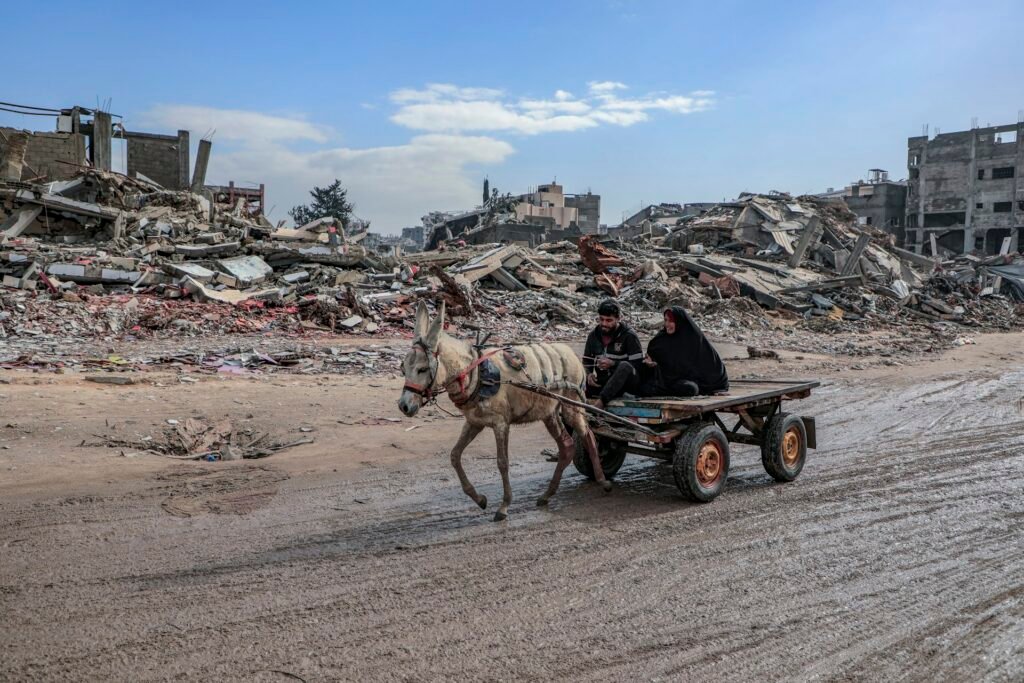
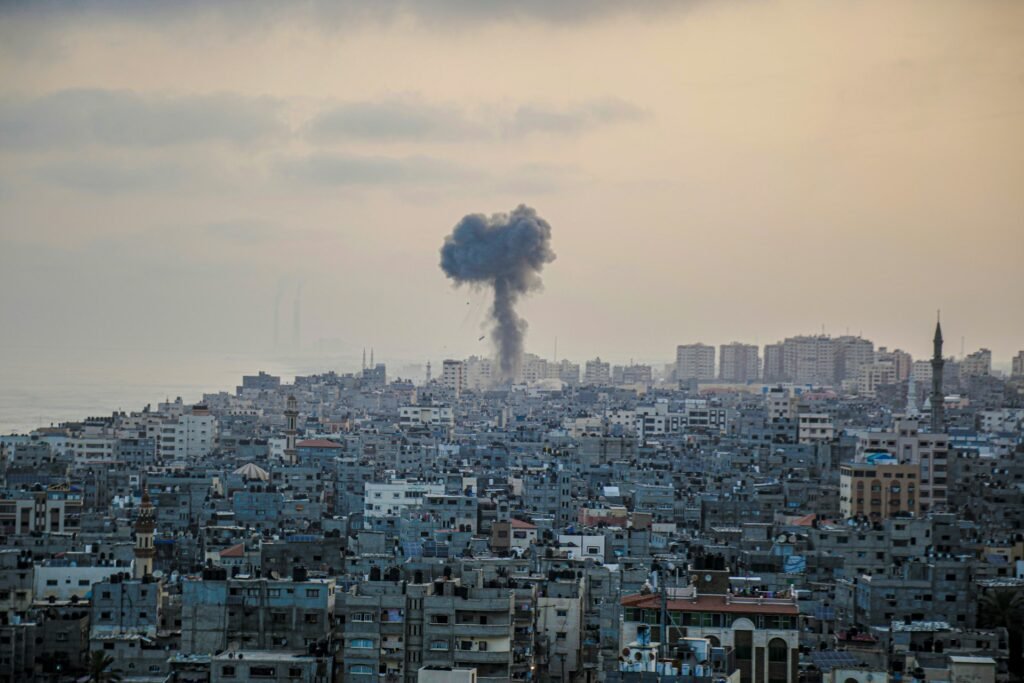
Only on paper. Counting Palestinians killed since ceasefire day, Gaza’s Ministry of Health says Israeli attacks have killed at least 1,622 Palestinians and wounded 5,878 between the start of the ceasefire and 11 November 2026, figures that UN agencies consider credible. The UN humanitarian office (OCHA) reported in November that Israeli airstrikes, shooting and shelling continue to hit populated areas, including displaced people in tents, and documented repeated Gaza ceasefire violations. Israeli strikes on Gaza since the truce have included drone strikes on homes and cars and shooting near the line Israel controls.
Israel says it is responding to threats and to violations by armed groups. Independent investigators and journalists still face tight limits on entering Gaza, which makes full verification hard.
What is the yellow line?
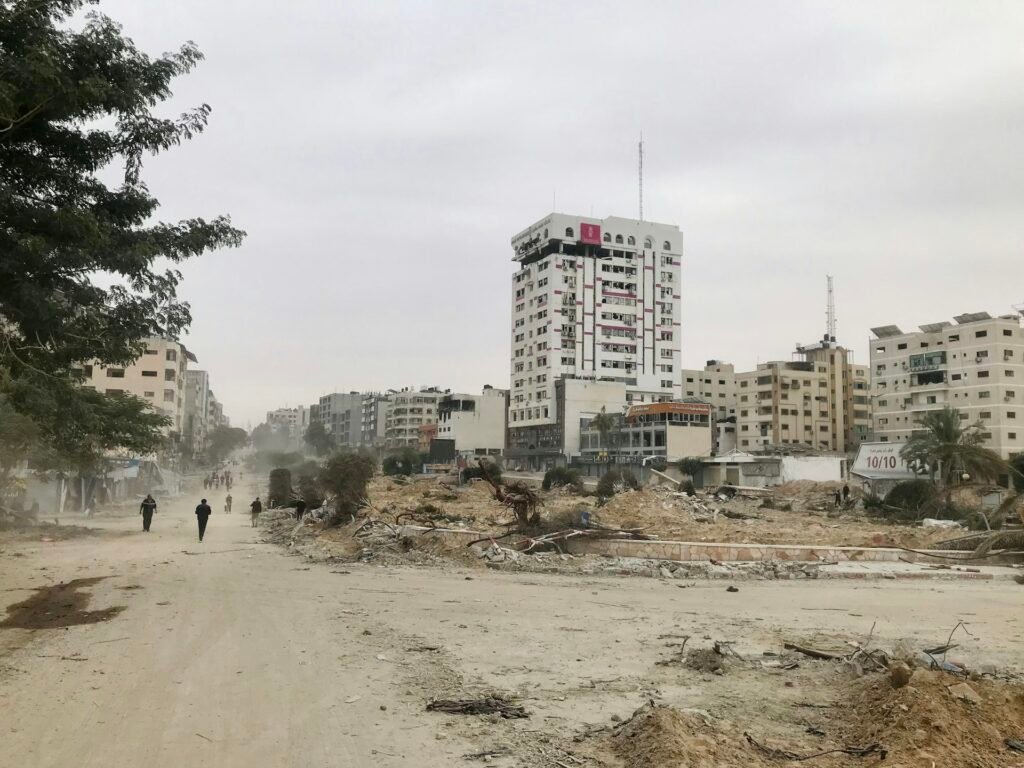
Under the ceasefire, Israeli forces pulled back to a boundary marked on maps in yellow, the so-called yellow line. It left Israel in control of about 53% of Gaza, including much of Rafah, eastern Khan Younis and areas along the border. Palestinians who approach the line risk being shot, and reports say the line has since been pushed further into Gaza in places. More than two million people are crowded into the remaining area, many in tents.
The Board of Peace and the stabilisation force
A year after the deal, a Middle East Institute review concluded that technocratic governance, the stabilisation force, decommissioning of weapons, staged withdrawal and reconstruction “have not begun in any meaningful way”. Israel’s cabinet approved the ISF’s entry only in July 2026, with conditions, and reports said its first deployment would be limited to a small area of Rafah. Only a few countries have signed up to send troops.
Rafah crossing and aid
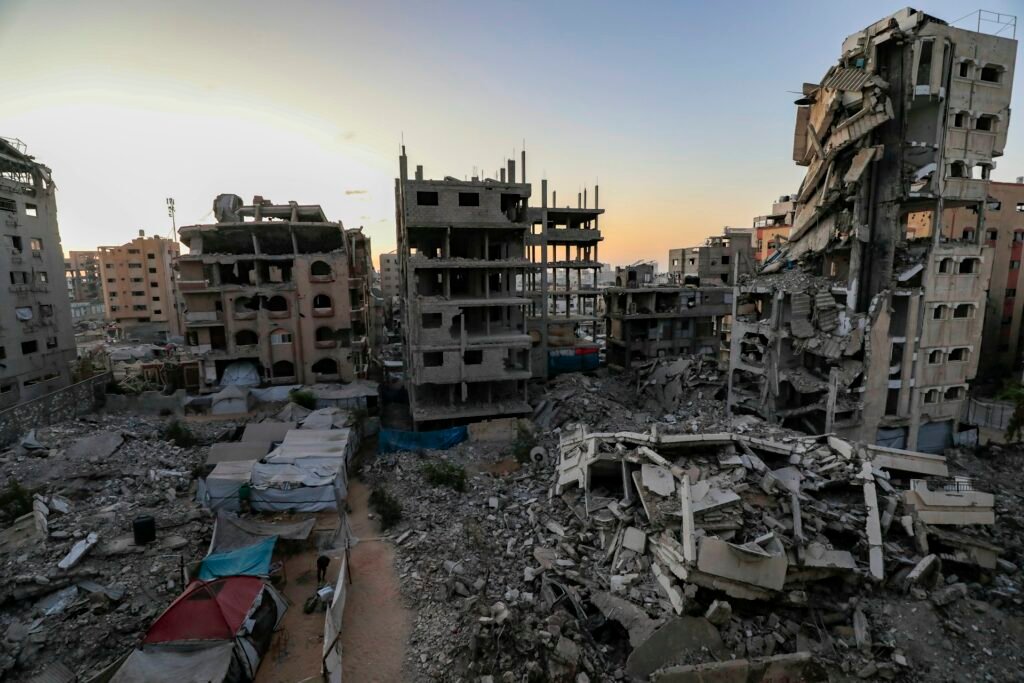
The Rafah crossing with Egypt reopened in February 2026 for limited movement. Aid enters through several crossings, but UN agencies say Israel still blocks or delays many essential items, from shelter materials to spare parts and heavy machinery needed to clear rubble. See our guide to the Gaza humanitarian crisis.
Palestinian elections and the political future
Palestinian elections due in November 2026 have been postponed to September 2027. Meanwhile, the West Bank has seen rising settler violence; OCHA recorded 410 settler attacks linked to the olive harvest between 1 September and early November 2026. Without a political path to an independent Palestinian state, many fear the ceasefire will simply freeze occupation in place.
Why Gaza matters to the Muslim ummah
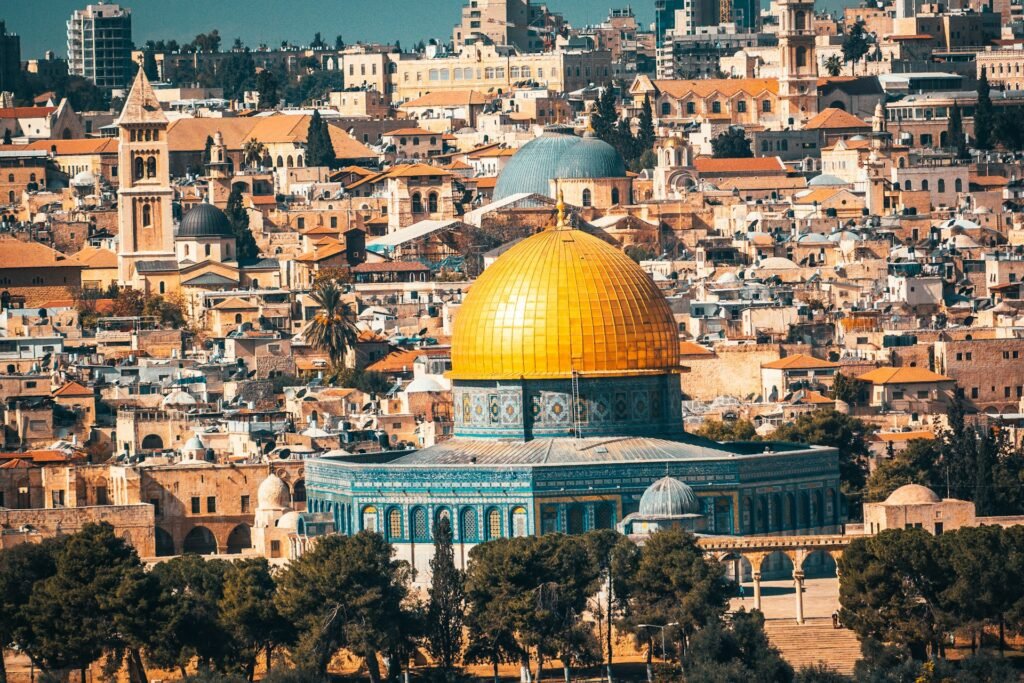
For Muslims, Palestine is not a distant conflict. Jerusalem holds Al-Aqsa Mosque, the first qibla and the place from which the Prophet Muhammad (peace be upon him) ascended during the Night Journey (Isra and Mi’raj). For centuries, under Muslim rule including the Ottoman era, Jews, Christians and Muslims lived in the Holy Land. Today the Muslim ummah, and people of conscience everywhere, see Gaza as a test of justice. Our criticism is directed at the policies of the Israeli state and the Zionist project, not at any people or faith.
How to stay informed responsibly
Follow UN agencies such as OCHA, WHO and UNRWA, and established outlets. Be careful with unverified videos on social media, and never share graphic images of victims, out of respect for their dignity.
Frequently asked questions
When did the Gaza ceasefire start?
On 10 October 2025.
Is the Gaza ceasefire holding?
Formally yes, but Israeli strikes and shootings continue, killing more than 1,600 people since it began.
How many Palestinians have been killed since the ceasefire?
At least 1,622, with 5,878 wounded, as of 11 November 2026, according to Gaza’s Ministry of Health.
How many people have been killed in Gaza since October 2023?
More than 74,000, according to the Gaza Ministry of Health.
What is the Trump 20-point plan?
The US plan behind the ceasefire: end fighting, swap captives and prisoners, Israeli withdrawal, Hamas disarmament, an international force and reconstruction.
What is the yellow line in Gaza?
The line Israeli forces withdrew to under the ceasefire, leaving Israel in control of about 53% of Gaza.
What is the Board of Peace?
An international body welcomed by UN Security Council Resolution 2803 as Gaza’s transitional administration.
Has the International Stabilization Force deployed?
Barely. Israel approved its entry in July 2026, and only a small pilot deployment has been reported.
Is the Rafah crossing open?
It reopened in February 2026 for limited movement of people and goods.
When will Gaza be rebuilt?
Large-scale reconstruction has not begun, mainly because heavy machinery and materials remain restricted.
Why is Al-Aqsa important to Muslims?
It is the first qibla and the third holiest site in Islam, linked to the Prophet’s Night Journey.
How can I help Gaza?
Give to trusted, registered relief organisations, make dua, and share accurate, respectful information.