The Indus river dolphin, known locally as the bhulan, is a rare freshwater dolphin that lives almost entirely in the Indus River in Pakistan. It is nearly blind and navigates the muddy water using echolocation, sending out clicks and listening to the echoes. Classified as Endangered, it survives mainly in stretches of the Indus between barrages in Punjab and Sindh. Thanks to protection and rescue work, surveys by WWF-Pakistan show its population has grown since 2001.
In this article
A dolphin that cannot see
The bhulan has tiny eyes without a lens, which can probably only tell light from dark. In the silty water of the Indus, sight would be of little use anyway. Instead, it relies on echolocation: it makes rapid clicking sounds and builds a “sound picture” of its surroundings from the echoes, which lets it find fish and shrimps in the riverbed mud.
Other features make it easy to recognise:
- a long, narrow beak packed with sharp teeth;
- a small hump instead of a tall dorsal fin;
- broad flippers;
- a grey-brown body up to about 2.5 metres long.
Indus dolphins often swim on their side, trailing a flipper along the bottom, which may help them feel their way.

Where does the Indus river dolphin live?
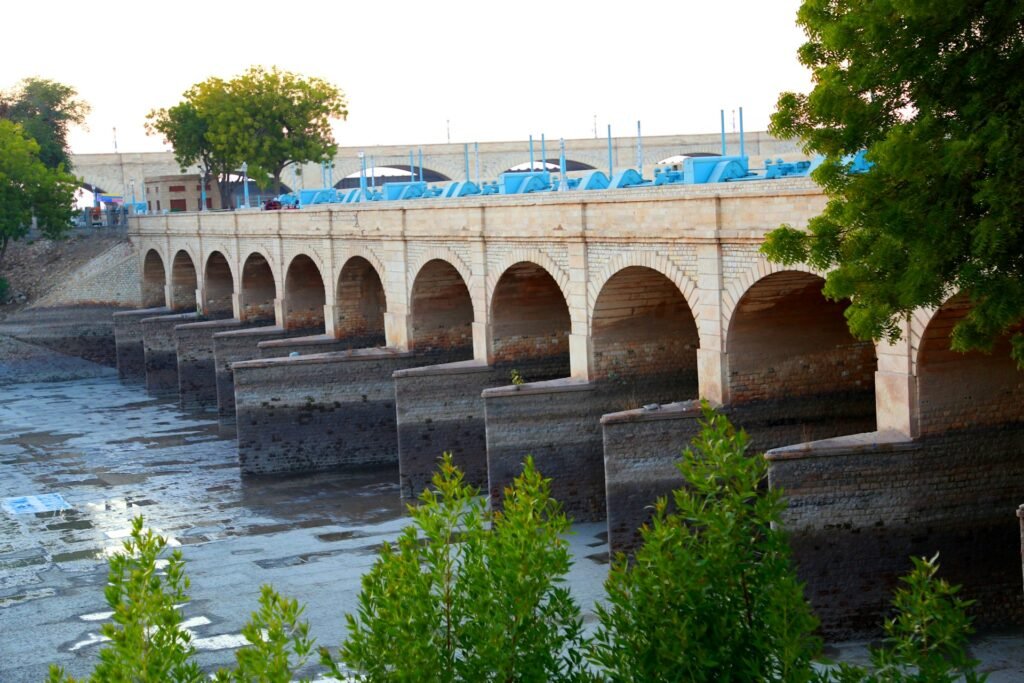
Historically, the bhulan lived along about 3,400 kilometres of the Indus and its tributaries. Today it occupies only around a fifth of that range. Barrages built for irrigation have split the river into separate sections, and dolphins now survive in a handful of isolated groups between the Jinnah and Kotri barrages.
The largest population lives between the Guddu and Sukkur barrages in Sindh. This 200-kilometre stretch was declared the Indus Dolphin Reserve in 1974 and is also a Ramsar wetland of international importance. In February 2026, a survey by the Khyber Pakhtunkhwa wildlife department recorded 135 dolphins in the river near Dera Ismail Khan.
Why is the bhulan endangered?
- Barrages and dams: they divide populations and reduce the flow of water downstream.
- Canal stranding: dolphins swim into irrigation canals and become trapped when the water is closed off for maintenance.
- Pollution: industrial and agricultural chemicals and sewage enter the river.
- Fishing nets: dolphins can become accidentally entangled and drown.
- Low river flows: in the dry season, shallow water leaves dolphins with less space and food.
How is it being protected?
Hunting the bhulan is illegal, and its main habitat is protected. WWF-Pakistan and the Sindh Wildlife Department run a dolphin rescue unit that moves stranded dolphins from canals back into the main river; more than a hundred have been rescued over the years. Regular population surveys, usually every few years, track how the dolphins are doing, and local communities and fishermen are trained to report and rescue trapped animals.
The results are encouraging. WWF-Pakistan’s surveys show a clear increase since 2001, when about 1,100 dolphins were counted, particularly in the protected stretch between Guddu and Sukkur.
How you can help
- If you see a dolphin trapped in a canal, call the Sindh Wildlife Department or WWF-Pakistan rather than trying to move it yourself.
- Avoid throwing plastic and rubbish into rivers and canals.
- If you visit the Indus near Sukkur, choose a responsible boat operator that keeps its distance from dolphins.
Frequently asked questions
Is the Indus river dolphin really blind?
Almost. Its eyes lack a lens and can probably only sense light, so it relies on echolocation.
Where can you see Indus dolphins?
Most easily in the Indus Dolphin Reserve between Guddu and Sukkur barrages in Sindh.
Is the Indus river dolphin endangered?
Yes, it is classified as Endangered, though its numbers have been rising.
What is the local name for the Indus dolphin?
Bhulan.
What do Indus dolphins eat?
Mainly fish and shrimps, which they find in the riverbed using echolocation.
How many Indus river dolphins are left?
WWF-Pakistan’s surveys put the population at around 2,000 in recent counts, up from about 1,100 in 2001.
How do Indus dolphins find food if they cannot see well?
They use echolocation: they send out clicks and listen to the echoes to find fish and avoid obstacles in muddy water.
Why do Indus dolphins get stuck in canals?
They swim into irrigation canals, and when water is cut off for annual canal cleaning they can be trapped in shallow pools. Rescue teams move them back to the river.
What should I do if I see a stranded dolphin?
Do not try to lift it yourself. Call the Sindh or Punjab Wildlife Department or WWF-Pakistan, and keep crowds back until help arrives.
Is the Indus dolphin the same as the Ganges dolphin?
They are close relatives. Scientists now treat the Indus river dolphin as its own species, Platanista minor.