Ertugrul Ghazi real history is much shorter than the drama most Pakistanis know. Ertugrul was a 13th-century Turkic tribal leader in north-western Anatolia (modern Türkiye) and the father of Osman I, who founded the Ottoman state around 1299. Historians agree he existed, because coins minted by Osman name him as “Osman, son of Ertuğrul”, and that he died around 1280 near Söğüt, where his tomb stands today. Almost everything else, including most of the characters and battles in Diriliş: Ertuğrul, comes from later legends or from the scriptwriters.
In this article
Who was Ertugrul Ghazi?
According to Ottoman tradition, Ertugrul led a group of the Kayi tribe, part of the Oghuz Turks, who moved west into Anatolia in the 13th century, as the Mongols pushed through Central Asia and Iran. He served the Seljuk Sultanate of Rum, the Turkish Muslim state that ruled much of Anatolia, and was given land around Söğüt, near the border with the Byzantine Empire. There, his followers lived as semi-nomadic herders and frontier fighters. “Ghazi” was a title for warriors who fought on that frontier.
Why so little is known
No document written during Ertugrul’s lifetime describes him. The main Ottoman chronicles were written in the 15th century, more than a hundred years after his death, when the dynasty wanted a heroic founding story. Even the name of his father is uncertain: some traditions say Suleyman Shah, others name Gündüz Alp. Historians therefore treat most stories about Ertugrul as legend rather than record.
Ertugrul Ghazi death and tomb in Söğüt
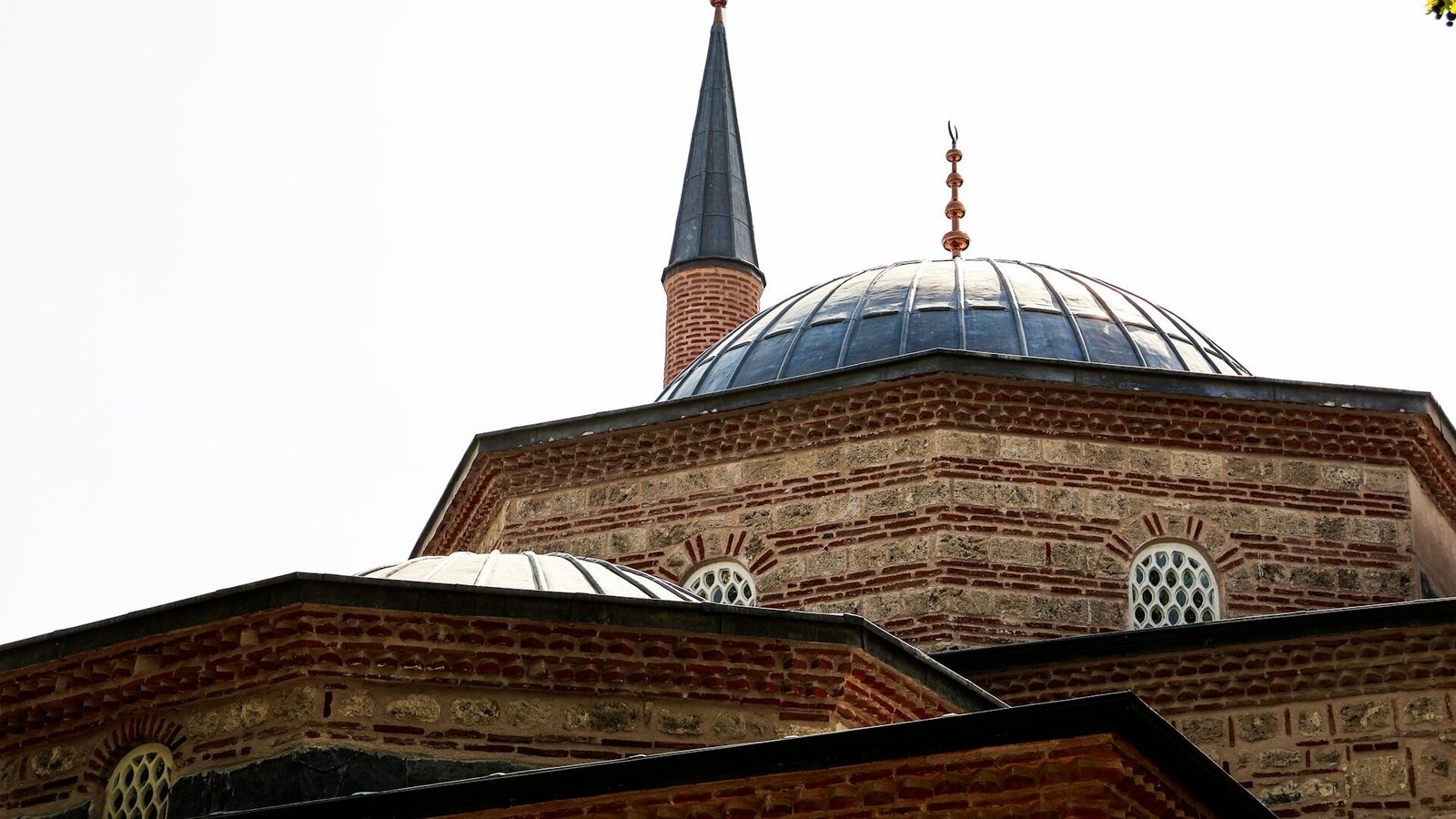
Ertugrul is generally believed to have died around 1280. His tomb in Söğüt, in today’s Bilecik province, was first built by his son Osman and rebuilt in the late 19th century by Sultan Abdul Hamid II. It is a popular place for visitors, including many from Pakistan.
Ertugrul Ghazi real history vs the drama
| In the drama | What history says |
|---|---|
| Ertugrul fights Templars, Mongols, Byzantines and traitors across five seasons | No record of these battles; they are dramatised |
| Halime Sultan is Ertugrul’s wife and Osman’s mother | Osman’s mother is not named in reliable early sources; “Halime” comes from later tradition |
| Ibn Arabi in Ertugrul is the hero’s spiritual guide | Ibn Arabi was a real Sufi scholar, but he died in Damascus in 1240 and there is no evidence they met |
| Suleyman Shah is Ertugrul’s father | One tradition says so; others disagree |
| Ertugrul is the central hero of Ottoman history | His importance comes mainly from being Osman I’s father |
So, is Ertugrul a true story? Comparing Ertugrul drama vs history, it is best described as historical fiction: a real man at its centre, surrounded by invented events that celebrate values such as faith, loyalty and justice.
The Ertugrul Ghazi drama: Dirilis Ertugrul
Diriliş: Ertuğrul (“Resurrection: Ertugrul”) was made for Türkiye’s state broadcaster TRT and first aired in 2014. It ran for five seasons until 2019. The original Turkish broadcast had 150 long episodes; versions on streaming services and PTV were split into more, shorter episodes, which is why the number of episodes you see differs by platform.
Ertugrul on PTV and in Urdu
At the request of then-Prime Minister Imran Khan, PTV dubbed the series into Urdu and began airing it on 25 April 2020, the first day of Ramadan. Ertugrul Ghazi in Urdu became a national event during the Covid-19 lockdown. The first Urdu episode passed 100 million views on PTV’s YouTube channel within a year, and the series was among Pakistan’s most searched TV shows of 2020.
Kurulus Osman: the sequel
The follow-up series, Kuruluş: Osman, tells the story of Ertugrul’s son Osman, the founder of the Ottoman Empire. It began in 2019 and has also been dubbed into Urdu.
Why the drama struck a chord in Pakistan
Many viewers welcomed a big-budget series centred on Muslim heroes, family loyalty and modest dress, a contrast to much other television. Critics, including some historians, warned that viewers might take the drama as fact. Both points can be true: it is an enjoyable story that can spark interest in real Islamic history, as long as viewers remember where the facts end and the script begins.
Frequently asked questions
Who was Ertugrul Ghazi?
A 13th-century Turkic leader in Anatolia and the father of Osman I, the founder of the Ottoman Empire.
Is Ertugrul a true story?
Partly. Ertugrul was real, but most characters, battles and plots in the drama are invented or based on later legends.
When did Ertugrul Ghazi die?
Around 1280, near Söğüt in north-western Anatolia.
Where is the Ertugrul Ghazi tomb in Sogut?
In Söğüt, in Bilecik province, Türkiye. It was rebuilt in the late 19th century by Sultan Abdul Hamid II.
What was the Kayi tribe?
One of the Oghuz Turkic tribes. Ottoman tradition traces the dynasty’s origins to it.
Who was the founder of the Ottoman Empire?
Osman I, Ertugrul’s son, who founded the Ottoman state around 1299.
Was Halime Sultan real?
Early reliable sources do not name Osman’s mother. The name Halime comes from later tradition and was popularised by the drama.
Did Ibn Arabi really meet Ertugrul?
There is no evidence. Ibn Arabi was a real scholar who died in Damascus in 1240.
When did Ertugrul start on PTV?
On 25 April 2020, the first day of Ramadan, dubbed in Urdu.
How many episodes of Ertugrul are there?
Across five Ertugrul Ghazi seasons, the original Turkish broadcast had 150 episodes; other versions split them into more, shorter episodes.
What is Kurulus Osman?
The sequel series about Osman I, Ertugrul’s son, also dubbed into Urdu.
What was the Seljuk Sultanate of Rum?
A Turkish Muslim state that ruled much of Anatolia in the 12th and 13th centuries, before the rise of the Ottomans.